Top 10 Best Orthopedic Implants and Instruments for Effective Surgery?
Orthopedic surgery relies heavily on advanced orthopedic implants and instruments. These tools are crucial in improving patient outcomes and ensuring successful procedures. The selection of the right implants and instruments can make a significant difference in surgical efficacy.
Surgeons must stay updated on the latest advancements in orthopedic technology. New materials and designs often enhance stability and integration. However, even the best implants can present challenges. Factors like patient anatomy and underlying conditions can affect performance. This reality emphasizes the importance of tailored surgical approaches.
In this article, we explore the top 10 orthopedic implants and instruments currently available. Each option is assessed for its effectiveness and reliability in clinical settings. We aim to provide insights that combine expert recommendations with practical experience. Understanding the nuances of these tools can lead to better surgical decisions and improved patient care.

Top 10 Essential Orthopedic Implants for Modern Surgical Procedures
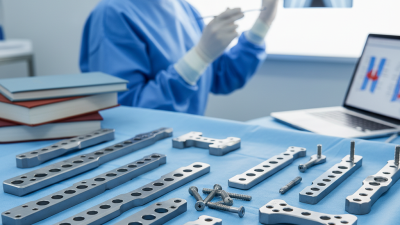
In modern orthopedic surgery, the choice of implants and instruments significantly impacts outcomes. Surgeons rely on materials that promote healing and ensure structural support. Essential orthopedic implants include plates, screws, and intramedullary nails. These devices aid in stabilizing fractures and correcting deformities. Each implant type addresses specific needs, enabling tailored solutions for patients.
When selecting implants, consider the patient’s age, bone quality, and activity level. Integrating minimally invasive techniques can enhance recovery. Surgeons must stay updated on advancements to apply the best practices effectively. Knowledge of the latest materials and designs boosts surgical precision.
Tips: Always assess the compatibility of implants with existing patient conditions. Engage in discussions with peers to share insights on implant performance. Continuous learning is vital to adapt to new surgical techniques and devices. Don't shy away from challenging cases—they can provide invaluable experience for future procedures. Seek feedback from patients post-surgery to improve practices, and remember that every surgical case is unique.
Key Surgical Instruments for Precision in Orthopedic Operations
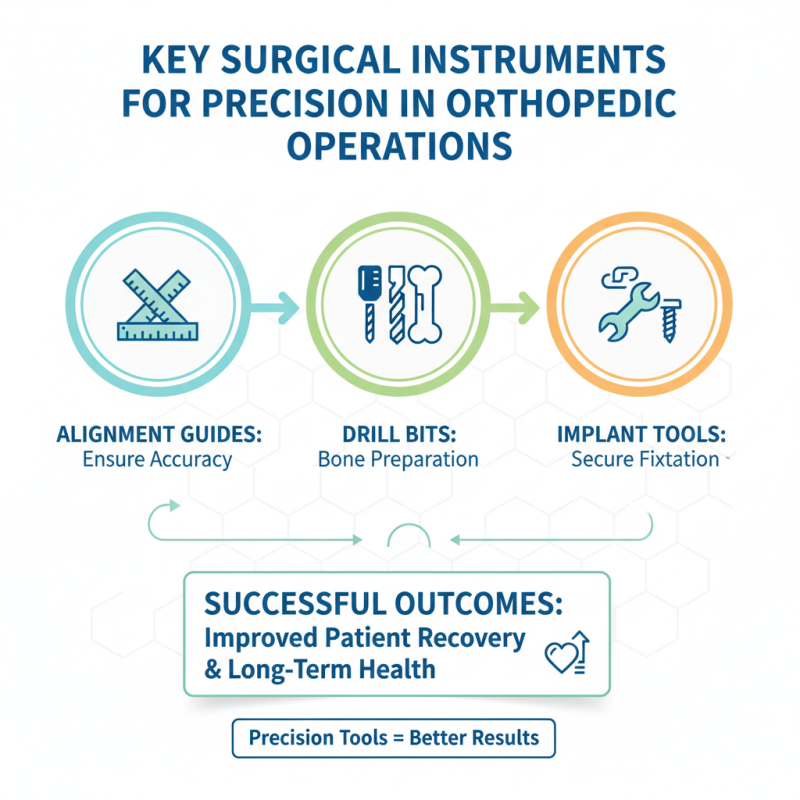
Orthopedic surgery demands precision, and the right instruments are essential for successful outcomes. Surgeons rely on a variety of specialized tools to ensure accuracy during operations. Each instrument plays a specific role, from alignment guides to drill bits. The successful use of these tools significantly impacts patient recovery and long-term outcomes.
When selecting instruments, consider their material and design. High-quality stainless steel tools resist corrosion and maintain sharpness. However, the heavy reliance on technology may sometimes lead to overconfidence. It’s crucial for surgeons to stay updated on both new and traditional techniques.
Tips: Regularly review your surgical instruments' condition. A worn tool can lead to complications. Also, attend workshops to refine your skills. Continuous education enhances surgical precision. Remember, every surgery is unique, and the same approach may not work for every case. Adaptability is key.
Innovative Materials Used in Orthopedic Implants Today
Innovative materials play a crucial role in the development of orthopedic implants today. Surgeons rely on these advancements for effective and successful outcomes. One notable material is titanium. It is lightweight yet incredibly strong. This alloy not only resists corrosion but also mimics the properties of bone tissue, facilitating better integration.
Another promising option is polymer-based materials. These substances, like PEEK, provide flexibility and durability. They can adapt to the body’s movements without causing irritation. Furthermore, they allow for complex designs, which enhance the fit of the implants. While these materials show great potential, challenges remain. For instance, the long-term performance in various conditions is still under study.
3D printing technology has revolutionized implant customization. It allows for patient-specific solutions. However, quality control during manufacturing is critical. The precision achieved can sometimes lead to unexpected failures. Continuous research and optimization are necessary for ensuring reliability. The pursuit of better materials underscores the dynamic nature of orthopedic surgery.
Factors Influencing the Selection of Orthopedic Instruments
Selecting the right orthopedic instruments is crucial for effective surgery. Surgeons consider multiple factors during this process. Instrument quality matters significantly. The reliability of instruments can impact patient outcomes. Materials used in these instruments must ensure strength yet provide flexibility. Advanced materials can reduce infection risks.
Another important aspect is the surgeon's experience with specific instruments. Familiarity leads to better precision and efficiency. A tool that feels comfortable in the surgeon's hand is invaluable. The ergonomics of instruments should not be overlooked. Poorly designed tools can lead to fatigue. This fatigue may affect the surgeon's performance during lengthy procedures.
Cost is an ongoing concern. High-quality instruments can be expensive. However, investing in reliable tools often saves costs over time. Budget constraints can force difficult decisions. Balancing quality and budget is not easy. Furthermore, keeping up with technological advancements can be overwhelming. New instruments emerge regularly, making it challenging for surgeons to stay updated. All these factors together influence the selection process significantly.
Future Trends in Orthopedic Implants and Surgical Techniques
The field of orthopedics is evolving rapidly. Advancements in technology are shaping surgical techniques and implant designs.
3D printing, for instance, allows for personalized implants. This innovation addresses individual patient needs more effectively. Surgeons can now create implants that fit the unique anatomy of each patient. The result is improved surgery outcomes and reduced recovery times.
Robotic-assisted surgery is another exciting trend. These systems enhance precision during procedures. Surgeons can perform complex tasks with more control. Despite these advancements, challenges remain. Not all hospitals have access to the latest technology. The cost associated with these advanced techniques can be high. This may limit their widespread adoption, especially in developing regions.
New materials are emerging as well. Biodegradable implants show promise. They dissolve in the body over time, reducing the need for additional surgeries. However, research is still ongoing. Long-term effects of these materials are not fully understood. Continuous studies are necessary to ensure patient safety and effectiveness. The future holds great potential, but careful consideration is essential. Addressing these challenges is key for better surgical practices.