Best Soft Magnetic Alloys for Global Procurement Needs?
Soft Magnetic Alloys are essential in modern electrical applications. Their unique properties enable efficient energy conversion, making them critical in industries like electronics and renewable energy. According to a recent market report, the global soft magnetic materials market is projected to reach $30 billion by 2026, with a CAGR of 4.5%.
Materials such as silicon steel and ferrites dominate the landscape. They are widely used in transformers and electric motors. Demand for lightweight and high-performance alloys continues to grow. Manufacturers face challenges like sourcing reliable suppliers and ensuring quality standards. The increasing need for energy-efficient solutions emphasizes the importance of superior soft magnetic alloys.
While significant advancements have been made, gaps in quality control persist. Suppliers must prioritize rigorous testing and certification processes. Stakeholders should remain vigilant about material performance. By addressing these challenges, the industry can better meet global procurement needs for soft magnetic alloys.
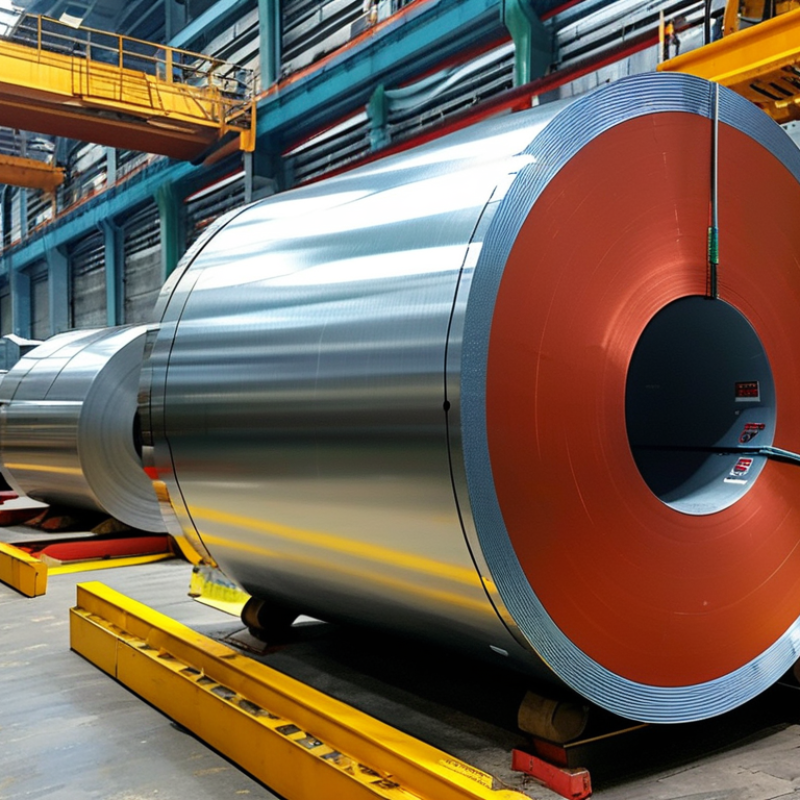
Best Soft Magnetic Alloys: Key Properties and Applications
Soft magnetic alloys play a crucial role in various applications due to their unique properties. These alloys typically exhibit high magnetic permeability and low coercivity, making them ideal for transformers, inductors, and electronic devices. Their ability to efficiently channel magnetic fields enhances energy management and reduces losses during electromagnetic processes.
One significant example is the use of silicon steel in electrical transformers. This alloy improves efficiency, but it can become brittle and less effective if not properly processed. Additionally, some nickel-iron alloys, known for their excellent magnetic properties, can be costly. Balancing quality and price is a challenge many manufacturers face.
Moreover, while these alloys are indispensable, their environmental footprint should not be overlooked. The production process often has impacts that require careful consideration. Striking a balance between performance and sustainability is essential for future advancements in soft magnetic materials. Keeping these factors in mind, companies can make informed choices about their procurement needs.
Factors Influencing Global Procurement of Soft Magnetic Alloys
The global procurement of soft magnetic alloys requires careful consideration of various factors. Key among these is material performance. Soft magnetic alloys must exhibit high permeability and low core loss. This means they perform effectively under alternating magnetic fields. Quality assurance is crucial. Consistent properties across batches foster reliability in applications.
Market demand fluctuates. Industries such as automotive and electronics drive the need for specific alloys. Supply chain stability is vital. Disruptions can lead to delays and increased costs. Buyers must assess suppliers for their ability to meet delivery timelines. Geopolitical issues can also impact procurement decisions. Companies need to adapt quickly to these changes.
Additionally, environmental regulations are influencing procurement strategies. Companies must ensure compliance with local and international laws. Sustainability is becoming a priority. Eco-friendly production of soft magnetic alloys is essential. This shift demands awareness of new materials and processes. Balancing performance with environmental responsibility is a challenge. Companies must think creatively to overcome these hurdles.
Top Soft Magnetic Alloys: Performance Metrics and Market Trends
In the search for the best soft magnetic alloys, performance metrics are crucial. Soft magnetic alloys, known for their high permeability, are essential in applications like transformers and inductors. According to a recent market report, the global soft magnetic alloys market is expected to drive substantial growth, projected to reach over $5 billion by 2026, with a compound annual growth rate (CAGR) of around 6.5%. This growth indicates increasing demands across various sectors, including automotive and renewable energy.
Key performance metrics for these alloys include saturation magnetization and core loss characteristics. The ideal soft magnetic alloy should possess low hysteresis loss and high magnetic saturation levels. Manufacturers often face challenges in balancing these properties during production. For instance, traditional silicon steel often struggles with efficiency at high frequencies, making alternatives like amorphous and nanocrystalline alloys increasingly appealing. Data suggests that these newer materials can reduce core losses by up to 75%, offering significant competitive advantages.
Despite the growing adoption of advanced alloys, sourcing difficulties remain. Global supply chains can be unpredictable, impacting the availability of high-quality materials. Market players must navigate fluctuations and uncertainties, ensuring reliable procurement strategies. Keeping up-to-date with research and development in this field is essential for maintaining a competitive edge and addressing potential sustainability issues within the supply chain.
Global Supply Chain Dynamics Impacting Soft Magnetic Alloys Availability
The global supply chain for soft magnetic alloys is currently facing numerous challenges. Factors like geopolitical tensions, trade policies, and production shortages significantly impact alloy availability. Manufacturers must adapt quickly to these changing dynamics to meet procurement needs effectively.
Tips: Staying informed on market trends can aid in making better decisions. Regularly review supplier options. Build strong relationships with providers for better support.
In recent years, demand for soft magnetic materials has surged due to their applications in electronics and renewable energy technologies. However, unexpected disruptions, such as natural disasters and economic fluctuations, have created volatility in alloy sourcing. Companies may need contingency plans to navigate through these uncertainties.
Tips: Diversify your supply sources to reduce risks. Maintain inventory buffers for essential materials. Engage in proactive negotiation to secure better terms.
Future Innovations in Soft Magnetic Alloy Development and Usage
The evolution of soft magnetic alloys is pivotal in meeting diverse global procurement demands. Researchers are focusing on enhancing the magnetic properties while reducing costs. Innovations in the alloy composition could lead to improved efficiency in electrical devices. A deeper understanding of material science is necessary for these advancements.
Recent advancements showcase the development of new alloy variants. These variants promise higher saturation magnetization and lower energy losses. Engineers are exploring different manufacturing processes to refine these materials. However, achieving an optimal balance between performance and cost remains challenging. Not every approach guarantees superior results; trial and error play crucial roles.
Future applications could extend into renewable energy sectors. Soft magnetic alloys are essential in optimizing transformer efficiency. Addressing the environmental concerns surrounding their production is another area of focus. Innovations must consider sustainable practices to ensure long-term viability. This landscape demands constant adaptation and reflection on current methodologies.