
A Fish Collagen Peptide Skincare Routine sounds simple, but effective care requires realistic expectations. Fish-derived collagen peptides are usually hydrolyzed into smaller fragments. They may support hydration and improve the skin’s softer appearance. However, they cannot rebuild facial collagen in the same way injectable treatments can. Dermatologist and cosmetic science researcher Dr. Zoe Diana Draelos has explained, “Collagen is a very large molecule and cannot penetrate the skin.” Her observation encourages a more careful interpretation of collagen skincare claims.
This guide will examine how to build a practical Fish Collagen Peptide Skincare Routine around cleansing, moisturizing, sun protection, and targeted peptide products. A gentle cleanser removes sunscreen and daily residue. A lightweight serum can add hydration without leaving a heavy film. Moisturizer helps reduce water loss, especially around the cheeks and mouth. Broad-spectrum sunscreen remains essential, because ultraviolet exposure accelerates collagen breakdown. It is the step many routines neglect.
Product quality also matters. Look for clear ingredient lists, responsible marine sourcing, and credible manufacturing information. People with fish allergies should review labels carefully and seek professional advice. Patch testing is sensible, though it cannot predict every reaction. Results may be subtle. Some users notice smoother texture, while others see little change. That uncertainty deserves honesty. Skincare is not perfectly predictable, and this routine may need adjustment for climate, sensitivity, or age. Evidence is still developing, so consistent use should replace exaggerated promises.
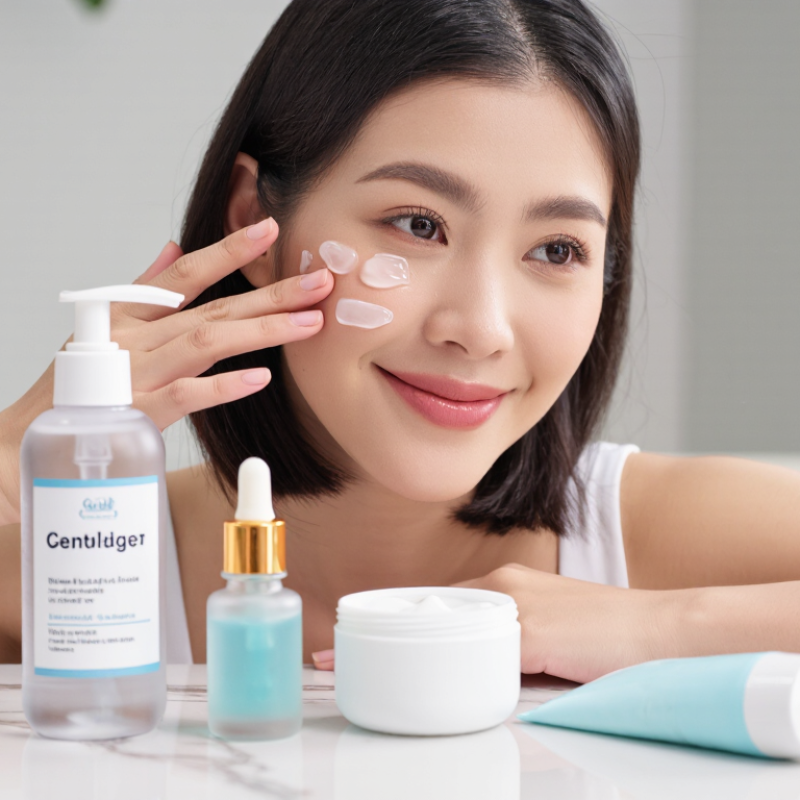
How to Build a Fish Collagen Peptide Skincare Routine?
Fish collagen peptides are small protein fragments obtained from fish collagen and processed for cosmetic use. In skincare, they mainly act as humectants and film-forming ingredients. They can help skin hold water, creating a softer and smoother feel. Their effects are usually surface-level. They do not simply replace lost human collagen.
A practical routine can stay simple. Cleanse gently, then apply a peptide serum to slightly damp skin. Follow with a moisturizer to reduce water loss. In the morning, use broad-spectrum sunscreen. Sun exposure remains a major cause of collagen breakdown. At night, repeat the serum and moisturizer, unless your skin feels irritated. Less can be better.
Evidence for topical collagen peptides is promising but uneven. Some formulas may support temporary hydration and improve the appearance of fine lines. Results depend on peptide size, concentration, and the complete formula. Marketing claims can sound stronger than clinical evidence. I would not expect dramatic changes after a few days. Give the routine several weeks, and take photos under the same lighting.
Check the ingredient list carefully. Fish-derived ingredients may not suit people with fish allergies. Perform a patch test before applying the product widely. Stop if burning, swelling, or persistent redness appears. Choose clear sourcing information and sensible packaging. A reliable product should explain its purpose without promising to rebuild deep skin collagen.
A practical application order for using fish collagen peptide skincare products
Fish collagen peptides are hydrolyzed protein fragments commonly used in serums and creams as moisturizing and skin-conditioning ingredients. Apply products from the lightest texture to the richest, and finish the morning routine with a broad-spectrum sunscreen rated SPF 30 or higher. Topical collagen peptides mainly support surface hydration; intact collagen molecules are generally too large to replace the skin’s structural collagen.
How to Build a Fish Collagen Peptide Skincare Routine?
Identifying your skin needs should come before choosing fish collagen peptides. Observe your skin for one week under similar conditions. Note tightness after cleansing, midday shine, flaky patches, redness, and clogged pores. Your skin may be dry on the cheeks but oily around the nose. That combination needs balance, not heavier products everywhere. Fish collagen peptides may support hydration and improve the feel of the skin’s surface. However, topical collagen does not replace sunscreen, sleep, or medical treatment. Results can also vary.
A simple routine often works best. Cleanse gently, then apply a peptide serum to slightly damp skin. Follow with a moisturizer suited to your driest areas. Use broad-spectrum sunscreen during the day. At night, repeat cleansing, serum, and moisturizer. People with fish allergies should check ingredient details carefully and seek professional advice before use. Patch testing is sensible, especially with sensitive or reactive skin. I used to think more products meant better care. That assumption often creates irritation instead.
Tips: Change one product at a time. Take weekly photos in natural light. Stop if burning, swelling, or persistent itching appears. Avoid judging results after only two days. Skin improvement is usually gradual. A dermatologist can help distinguish dehydration from eczema, acne, or rosacea. Your routine should respond to evidence from your skin, not attractive promises.
How to Build a Fish Collagen Peptide Skincare Routine?
Choosing Fish Collagen Products for Different Skincare Goals
Choose a fish collagen product according to your main skin concern, not its most attractive claim. For dryness, select a peptide serum with humectants such as glycerin or hyaluronic acid. These ingredients help bind water near the skin surface. Apply it to slightly damp skin, then seal it with a simple moisturizer. Keep it simple. Topical collagen usually forms a flexible film rather than rebuilding deep collagen fibers. Results may look smoother, but they are often temporary.
For rough texture or early fine lines, consider a formula combining peptides with niacinamide or a gentle retinoid. Peptides may support a softer, firmer appearance, while retinoids have stronger evidence for skin renewal. Start slowly. Use the retinoid on separate nights if your skin becomes tight or flushed. A sunscreen remains essential because ultraviolet exposure can weaken collagen and worsen discoloration. No peptide can replace it.
If you are considering fish collagen supplements, check the source, allergen information, dosage, and independent quality testing. Oral collagen research shows possible improvements in hydration and elasticity, but findings vary between products and study designs. Avoid supplements if you have a fish allergy unless a qualified clinician advises otherwise. Patch test topical products on your jawline for several days. My honest observation is that consistency matters more than dramatic packaging, yet even a careful routine may disappoint sensitive or very dry skin. Track changes with monthly photos under similar lighting.
| Skincare Goal | Most Suitable Fish Collagen Product Type | Useful Product Features | How to Use It | What It May Help With | Important Considerations |
|---|---|---|---|---|---|
| Dry or Dehydrated Skin | A topical serum or moisturizer containing hydrolyzed fish collagen peptides, combined with humectants and emollients. | Glycerin, hyaluronic acid, panthenol, ceramides, squalane, or fatty acids. | Apply to slightly damp skin after cleansing, then seal with a moisturizer. Use morning and/or evening according to the product directions. | Temporary surface hydration, softness, and reduced feeling of tightness. | Topical collagen mainly acts as a moisturizing and film-forming ingredient; intact collagen does not replace the skin’s structural collagen. |
| Loss of Firmness or Fine Lines | A topical peptide serum, with optional oral hydrolyzed collagen peptide supplementation. | Clearly listed peptide ingredients, fragrance-free formulation for sensitive users, and complementary sunscreen use. | Use the topical product once daily or as directed. If using an oral supplement, follow the serving instructions and assess results over several weeks rather than days. | Some studies of oral hydrolyzed collagen peptides report modest improvements in skin hydration and elasticity after approximately 8–12 weeks, although results vary. | Evidence for oral collagen is still limited and product-specific. Sun protection remains more important for preventing collagen breakdown and photoaging. |
| Dull or Uneven-Looking Skin | A lightweight collagen peptide serum used alongside proven brightening and antioxidant ingredients. | Vitamin C derivatives, niacinamide, licorice extract, or gentle exfoliating acids may be more relevant to tone and radiance than collagen alone. | Apply after cleansing and before moisturizer. Introduce exfoliating products gradually and use broad-spectrum sunscreen every morning. | Improved moisturization and a smoother-looking surface; other active ingredients are generally responsible for most visible tone-related benefits. | Collagen peptides are not established skin-lightening agents. Avoid combining multiple strong actives at once if irritation is a concern. |
| Sensitive or Easily Irritated Skin | A simple, fragrance-free topical formula with fish collagen peptides and a short ingredient list. | Alcohol-free or low-irritant formula, barrier-supporting ingredients, and no unnecessary essential oils or heavy fragrance. | Patch-test on a small area for 24–48 hours before wider use. Begin every other day if the skin is reactive. | Moisture support and a more comfortable skin feel when the formula is well tolerated. | Fish-derived ingredients may trigger an allergic reaction in people with fish allergy. Stop use if burning, swelling, hives, or persistent redness occurs. |
| Post-Procedure or Compromised Skin Barrier | A bland, dermatologist-recommended moisturizer or recovery product; collagen peptides should not be the first priority. | Ceramides, petrolatum, glycerin, and minimal potential irritants. Choose products specifically cleared for use after the procedure. | Follow the treating professional’s instructions. Avoid applying unapproved products to open, oozing, infected, or freshly treated skin. | Barrier protection and reduced water loss are the primary goals during recovery. | Topical collagen is not a substitute for wound-care products or medical treatment. Do not use oral supplements to manage a procedure-related complication. |
| Whole-Body Beauty and Skin Support | An oral hydrolyzed fish collagen peptide product with transparent labeling and appropriate quality controls. | Declared collagen amount per serving, fish source, allergen information, lot or batch details, and independent quality testing where available. | Take consistently according to the label. Maintain adequate dietary protein, hydration, sleep, and sun protection. | Research suggests possible modest support for skin hydration and elasticity, but supplements do not provide guaranteed anti-aging results. | Check with a healthcare professional during pregnancy, breastfeeding, or when taking medication. Fish allergy and dietary restrictions require special attention. |
| Vegan or Fish-Free Routine | Do not choose fish collagen. Use non-animal moisturizing and peptide ingredients instead. | Plant-derived humectants, ceramides, niacinamide, hyaluronic acid, and signal peptides that are not collagen-derived. | Build the routine around cleansing, moisturizing, and daily sunscreen, then add one targeted active at a time. | Hydration, barrier support, and improved appearance of texture can be achieved without fish-derived ingredients. | “Marine” or “ocean” wording does not automatically mean vegan. Read the full ingredient and source information. |
A fish collagen skincare routine works best when products follow a thin-to-thick order. I begin with a gentle cleanser and lukewarm water. Hot water can leave my cheeks feeling tight. After patting my skin dry, I use a hydrating toner only when my skin feels dry. It is optional, not a required step.
Next, I apply the fish collagen peptide serum to slightly damp skin. Two or three drops are usually enough for the face and neck. I press it in instead of rubbing quickly. These peptides may support hydration and a smoother surface, but topical collagen cannot be assumed to rebuild deep skin collagen. The formula matters more than the ingredient name alone. I once applied too much serum and noticed pilling under makeup.
I follow with a moisturizer to reduce water loss. In the morning, sunscreen is the final step, with generous coverage over the face, ears, and neck. At night, I skip sunscreen and keep the routine simpler. Anyone with a fish allergy should check the full ingredient list carefully. A small patch test can reveal irritation before facial use. Stop if burning, swelling, or persistent redness appears. Skin changes slowly. My routine still needs adjustment during cold weather, stress, or after using exfoliating products. A dermatologist can help when irritation continues or when product claims seem stronger than the available evidence.
Track your skin with weekly photos under the same lighting. Record dryness, tightness, texture, and new breakouts. Change only one product at a time. Otherwise, you cannot identify the cause.
A 2021 meta-analysis in the International Journal of Dermatology reviewed 19 collagen studies involving 1,125 participants. Many trials lasted between two and twelve weeks, but most examined oral collagen, not topical fish peptides. Evidence for topical benefits remains less consistent. Expect gradual hydration changes, not dramatic overnight lifting.
My first mistake was using the serum twice daily immediately. My cheeks felt tight. I reduced use to every other night and added moisturizer afterward. That worked better, although the result was not perfect.
Reassess after four weeks, then adjust frequency. If dryness continues, simplify the routine. If no visible change appears after eight to twelve weeks, consult a qualified dermatologist and review the full ingredient list. Fish-derived ingredients may still irritate sensitive skin. Check the label carefully.
WhatsApp us