China Top Tungsten Alloy Manufacturer for Global Buyers
Choosing the right Tungsten Alloy Manufacturer can shape product performance, delivery stability, and long-term procurement costs. Global buyers need more than a polished website. They need evidence from production floors, inspection records, and real customer applications.
An experienced manufacturer should explain tungsten alloy grades, density ranges, machining limits, and suitable uses. These details matter in counterweights, radiation shielding, aerospace components, and precision tooling. A reliable factory can provide material certificates, dimensional reports, and batch traceability. It should also discuss testing methods, including density checks, hardness testing, and visual inspection. Clear communication helps buyers avoid costly misunderstandings.
Details reveal capability.
Look for controlled powder preparation, uniform sintering, careful grinding, and protective packaging. A practical supplier will clarify lead times, minimum order quantities, tolerances, and export documentation. It should welcome technical drawings and suggest improvements when a design may increase waste or machining difficulty. Experience is often visible in small actions, such as labeling each crate and protecting polished surfaces with foam and sealed film.
Still, no Tungsten Alloy Manufacturer should claim perfection. Material behavior can vary with grade, geometry, and processing history. Some product pages may simplify complex engineering decisions. Buyers should verify claims through samples, independent inspection, and written specifications. This article introduces a China-based manufacturing perspective for global purchasers seeking dependable tungsten alloy solutions. It considers technical expertise, quality control, customization, communication, and responsible delivery. The aim is not to promise effortless sourcing. It is to help buyers ask sharper questions and make decisions grounded in evidence.
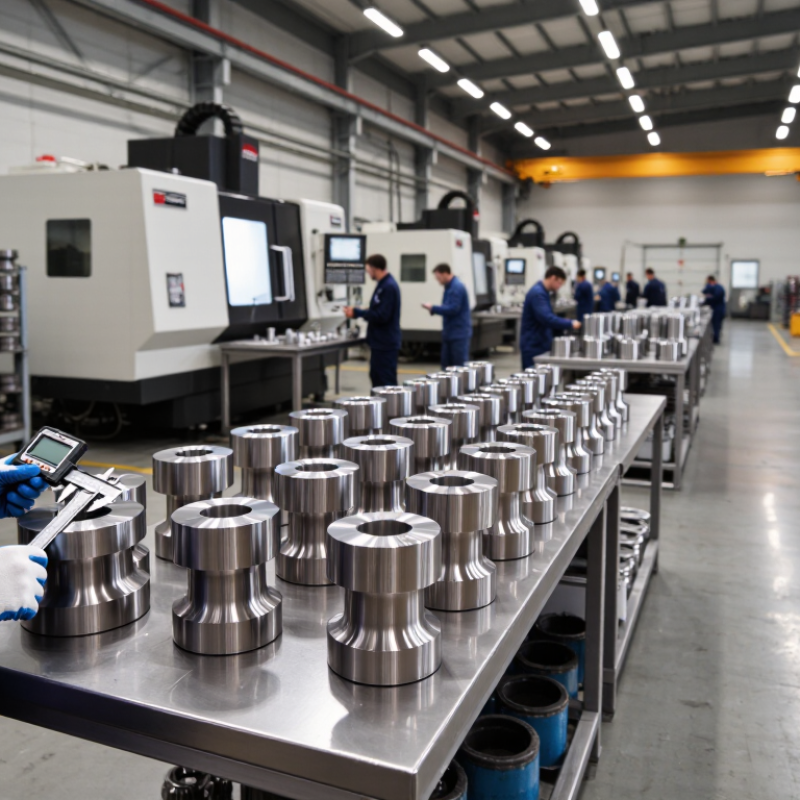
What Tungsten Alloys Are and Why Global Buyers Use Them
China Top Tungsten Alloy Manufacturer for Global Buyers
What Tungsten Alloys Are and Why Global Buyers Use Them
Tungsten alloys are engineered metals made by combining tungsten with nickel, iron, copper, or other elements. Tungsten provides exceptional density, hardness, and resistance to high temperatures. The added metals improve machinability and help manufacturers shape complex components. This balance makes the material useful for counterweights, vibration-control parts, radiation-shielding tools, and precision industrial equipment.
The weight is impressive. A small component can provide substantial mass without occupying much space. Global buyers also value stable performance across demanding working conditions. In production settings, engineers usually compare density, hardness, corrosion resistance, and machining requirements before choosing a grade. Cost matters too. A heavier alloy is not always the best solution. Some grades are difficult to machine, while others may need protective finishing in humid environments.
Reliable purchasing requires more than a material name. Buyers should request chemical composition, density results, dimensional tolerances, hardness data, and batch traceability. Clear inspection records reduce uncertainty during international procurement. Packaging also matters, especially for precision parts crossing long distances. Small scratches can become costly problems.
Tungsten alloys are not perfect.
Their performance depends on correct design and processing. Even experienced teams can overlook thermal expansion or joining challenges. A careful supplier should discuss these limits openly, provide practical recommendations, and support sample testing before mass production. That approach is slower at first, but it usually prevents avoidable waste.
China’s Role in the Global Tungsten Alloy Industry
China plays a central role in the global tungsten alloy industry. Its strength comes from integrated processing, skilled engineering teams, and a broad industrial supply chain. Producers commonly handle powder preparation, pressing, sintering, machining, and inspection in one region. This structure can shorten lead times for global buyers.
Tungsten alloys are used where density, strength, heat resistance, and dimensional stability matter. Common systems include tungsten-nickel-iron and tungsten-copper materials. Their performance depends on more than tungsten content. Particle size, sintering temperature, nickel distribution, and surface finish also influence results. Experienced manufacturers verify density, hardness, dimensions, and internal quality through documented testing.
Details matter.
Chinese manufacturers increasingly support customized shapes, tight tolerances, and application-based material selection. Buyers may request test reports, batch traceability, production samples, and independent inspections. These steps reduce uncertainty during international sourcing. Still, no supplier is perfect. A polished certificate cannot replace clear drawings or realistic tolerances. Some projects also expose weaknesses after machining, especially when design assumptions are incomplete. That is where technical communication becomes essential. Reliable cooperation requires honest feedback, stable quality control, and willingness to revise a process when measured results disagree with expectations.
Major Tungsten Alloy Grades, Properties, and Applications
China Top Tungsten Alloy Manufacturer for Global Buyers
Tungsten heavy alloys commonly use 90–97% tungsten with nickel-iron or nickel-copper binders. W-Ni-Fe grades offer high density, strength, and reliable magnetic response. W-Ni-Cu grades provide useful corrosion resistance and easier electrical isolation. Density is the advantage.
These alloys can reach approximately 17–18.5 g/cm³. They also provide strong wear resistance and stable performance at moderate temperatures. Typical applications include precision counterweights, vibration dampers, balancing parts, radiation-shielding components, and aerospace control hardware. Their compact size can replace bulkier steel parts in limited spaces. Trade-offs remain. Tungsten alloys are not automatically ideal for high-temperature service, and sharp machining can cause edge chipping.
Experienced buyers should review alloy grade, tungsten percentage, density, hardness, dimensions, and surface condition together. Powder metallurgy, sintering, and careful finishing strongly influence final accuracy. Inspection records should include chemical analysis, density testing, dimensional reports, and visual checks. In practice, a polished specification can still miss assembly needs. Small holes, thin walls, or complex profiles may require design adjustments before production. Clear drawings and realistic tolerances reduce avoidable rework. A dependable manufacturer should explain these limits rather than promise every performance target.
How to Evaluate a Leading Chinese Tungsten Alloy Manufacturer
Evaluating a leading Chinese tungsten alloy manufacturer requires more than comparing quotations. The USGS Mineral Commodity Summaries 2025 reports about 81,000 metric tons of global tungsten mine production in 2024. China supplied approximately 67,000 metric tons. This scale supports strong processing expertise, but it does not guarantee consistent product quality. A serious supplier should explain powder origin, blending controls, sintering conditions, and recycling procedures. Ask for batch-level records, not broad promises.
Request independent test results for density, hardness, tensile strength, electrical conductivity, and dimensional tolerance. The testing method should reference recognized standards, such as ASTM or ISO procedures. Check whether the certificate identifies the furnace batch, test equipment, calibration date, and sample location. Small details matter. A polished certificate can still hide weak sampling.
For heavy tungsten alloy parts, inspect surface finish, machining marks, edge chipping, and visible pores under magnification. Request samples from different production batches. Compare their weight and dimensions with the drawings. A reliable manufacturer should support factory audits, video inspections, and traceable corrective-action reports. Export experience also matters. Confirm packaging, moisture protection, labeling, and documentation before shipment. Some evaluations overemphasize price. That is a mistake. However, buyers should also question expensive claims unsupported by data. One practical weakness remains: supplier information may change faster than published industry reports, so verify current capacity and certifications directly before placing a large order.