How to Choose the Right Locking Plate for Your Medical Needs?
When selecting a locking plate for medical needs, precision matters. Dr. Emily Carter, an orthopedic surgeon with over 15 years of experience, emphasizes, "Choosing the right locking plate can significantly impact healing." A locking plate is designed for stability in fractured bones. It provides essential support during recovery. Understanding how these plates work is crucial for both patients and medical professionals.
Locking plates come in various sizes and designs. Each is tailored for specific injuries. Factors such as the type of fracture and patient anatomy influence the choice. It is important to consult with a qualified specialist before making decisions. Inadequate knowledge can lead to improper use. Reflection on past experiences with different plates can guide better choices.
In the evolving field of orthopedic surgery, innovations emerge frequently. New materials and designs may enhance outcomes. However, staying informed can be overwhelming. Patients should not hesitate to ask questions. An informed decision can enhance recovery. Locking plates are vital tools, but their effectiveness depends on how well they are matched to individual needs.
Understanding the Types of Locking Plates Available in Medicine
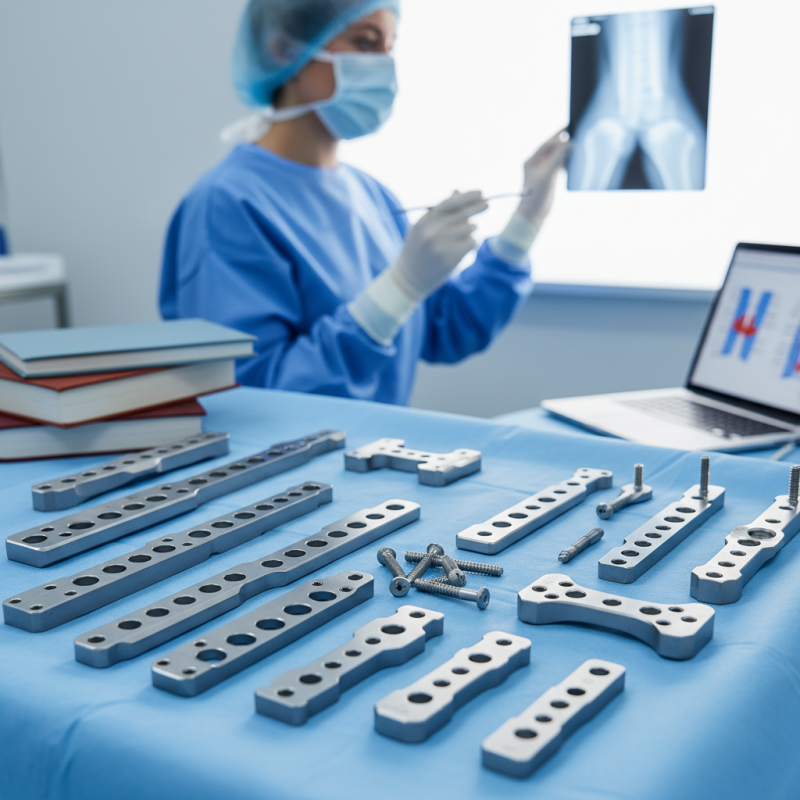
Locking plates have become essential in orthopedic surgeries. Understanding the types available can help medical professionals make informed choices. There are various locking plates designed for specific applications, including periarticular, metaphyseal, and diaphyseal fractures. Each type has unique features catering to different anatomical challenges and healing processes.
Periarticular locking plates, for instance, provide stability around joints. Research indicates that these plates can reduce the risk of malunion, enhancing recovery times. A study published in the Journal of Orthopaedic Trauma found that patients using locking plates experienced a 30% faster healing rate compared to traditional plates. However, they can be more challenging to place accurately. Improper alignment can lead to complications.
Metaphyseal locking plates, on the other hand, are designed for complex fracture patterns. They allow for angular stability in regions with less bone density. Data suggests that the use of these plates has increased significantly over the past decade, with a noted 40% uptick in surgeries involving these devices. Yet, surgeons must remain vigilant of potential hardware failure. Surgical experience and practice guidelines should inform selections to ensure effective outcomes.
Types of Locking Plates in Medicine
This bar chart illustrates the estimated number of uses (in thousands) of different types of locking plates in medical procedures. This information helps in understanding the common applications and the variety available within the medical field.
Assessing Patient-Specific Requirements for Locking Plates
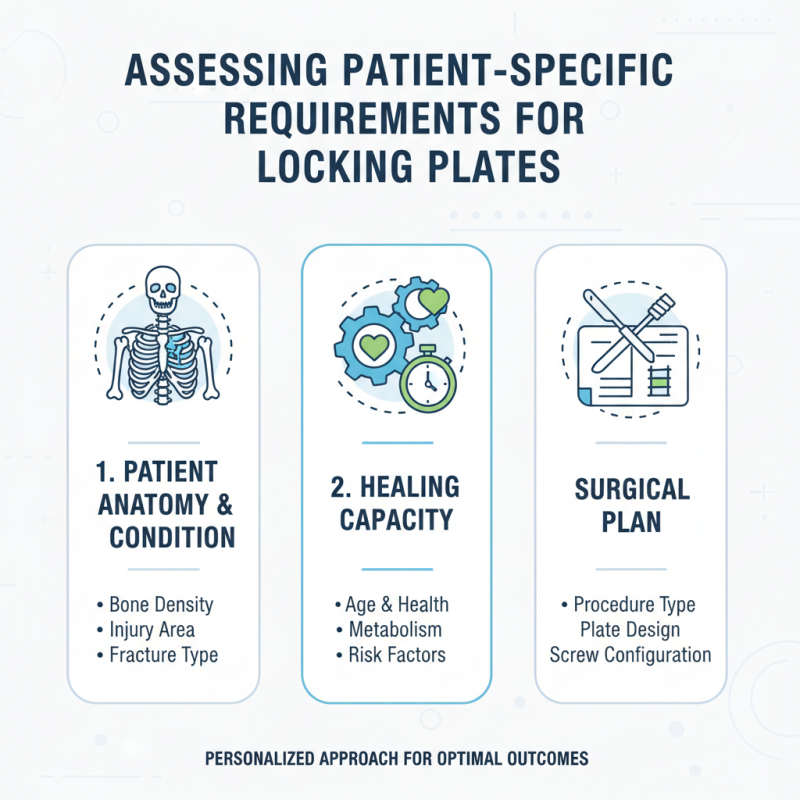
When selecting a locking plate for medical use, understanding patient-specific requirements is crucial. Each patient's condition varies, impacting their anatomical structure and healing capacity. Surgeons must evaluate these factors before deciding on the best locking plate. This includes assessing bone density, the area of injury, and the type of surgery planned. Each detail matters.
For example, a plate designed for a pediatric patient will differ from one used for an adult. The size, shape, and material of the plate must align with the patient’s individual anatomy. Factors like weight-bearing restrictions or the necessity for future surgical interventions also play a role. Sometimes, surgeons may face uncertainty when considering options. It is essential to reflect on these choices and engage in discussions with colleagues.
Surgeons should also consider the long-term implications of the chosen locking plate. Will it promote proper healing? Could it lead to complications? Continuous learning and adaptation are necessary in this field. Collaborating with a multidisciplinary team can provide deeper insights and perspectives. Each decision can significantly impact patient recovery.
Key Factors to Consider When Selecting Locking Plates
Choosing the right locking plate is crucial for effective surgical outcomes. When selecting locking plates for medical needs, several key factors come into play.
Consider the type of fracture and the anatomical area involved. Plates come in various shapes and sizes, designed for specific applications. An appropriate fit ensures stability and support during the healing process. Also, think about the material of the plate. Options include stainless steel and titanium, each with its own advantages in terms of strength and biocompatibility.
**Tip:** Always consult with a medical professional before making a decision. Their expertise can guide you through the nuances of different options.
Additionally, evaluate the locking mechanism of the plates. Some systems provide better angular stability. This is essential for certain injuries that require precise alignment. Check the surgical technique and ease of application. Complex plates may lead to longer surgery times, impacting patient recovery.
**Tip:** Request detailed information about the surgical procedure from your healthcare provider. Understanding the process can help you feel more confident in your choices.
Finally, consider patient-specific factors. Age, activity level, and overall health play a role in selecting the right plate. Tailoring treatment to individual needs can improve outcomes.
How to Choose the Right Locking Plate for Your Medical Needs? - Key Factors to Consider When Selecting Locking Plates
| Factor |
Description |
Importance Level |
| Material Type |
Locking plates can be made from stainless steel or titanium; the choice affects biocompatibility and strength. |
High |
| Plate Design |
Profile and contour of the plate should match the anatomical structure for optimal fit. |
Medium |
| Screw Design |
Different screw types and locking mechanisms provide varying levels of stability and fixation. |
High |
| Size and Length Options |
Availability of various sizes allows for customization to fit patient-specific needs. |
Medium |
| Radiopacity |
Choosing a locking plate with adequate radiopacity aids in post-operative imaging and monitoring. |
Low |
| Cost |
Budget considerations can impact the choice of locking plate, balancing quality and affordability. |
Medium |
Comparing Materials and Designs of Locking Plates
When selecting a locking plate for medical needs, understanding the materials and designs is crucial.
Different materials offer varying levels of strength and biocompatibility.
Stainless steel is widely used for its durability and resistance to corrosion.
However, titanium is gaining popularity due to its lighter weight and superior biocompatibility.
Each material has its pros and cons, making it essential to consider the specific application and patient needs.
The design of the locking plate also plays a key role in its effectiveness.
Some designs feature angular stability, which helps maintain bone alignment during healing.
Others may prioritize ease of implantation.
The choice of design can influence surgical outcomes.
Healthcare professionals may need to weigh the benefits against potential complications.
Evaluating the experience of the surgical team with different designs could also factor into the decision-making process.
An often overlooked aspect is the impact of design complexity on the surgical procedure.
More intricate designs might require specialized skills, which not all surgeons possess.
This complexity can lead to longer operating times and increased risk.
Ultimately, the choice of locking plate must balance material properties, design features, and the surgical team's abilities, ensuring a reliable and effective solution for patients.
Consulting Medical Professionals for Expert Recommendations
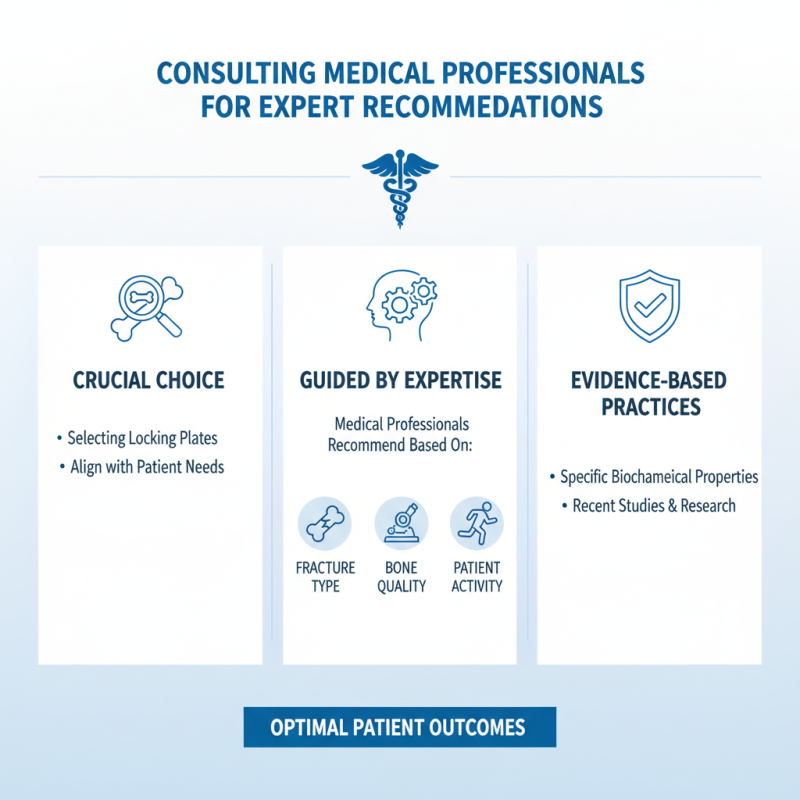
When selecting a locking plate for medical use, consulting with medical professionals is crucial. Their expertise can guide choices that align with patient needs. Recent studies show that professionals recommend plates based on specific biomechanical properties. Through evidence-based practices, they consider factors such as the type of fracture, bone quality, and patient activity levels.
Healthcare providers often use data from comprehensive reports. For instance, a survey published by the American Academy of Orthopaedic Surgeons highlights that surgeons favor locking plates for complex fractures. Their decisions rely on a blend of clinical experience and patient health assessments. This practice underscores the importance of tailored solutions over a one-size-fits-all approach.
However, not all recommendations guarantee success. Cases exist where the wrong locking plate leads to complications like malunion or nonunion. Reflection is necessary in these scenarios. Ongoing education and open dialogue with patients can ensure that choices are revisited as circumstances evolve. By prioritizing expert guidance, the risk of error decreases, paving the way for better patient outcomes.