2026 How to Choose the Best Infant Series CPR Training Simulator?
Choosing the right Infant Series CPR Training Simulator is crucial for effective learning. A high-quality training simulator enhances skills and confidence in emergency situations. With various options available, the selection process can be overwhelming.
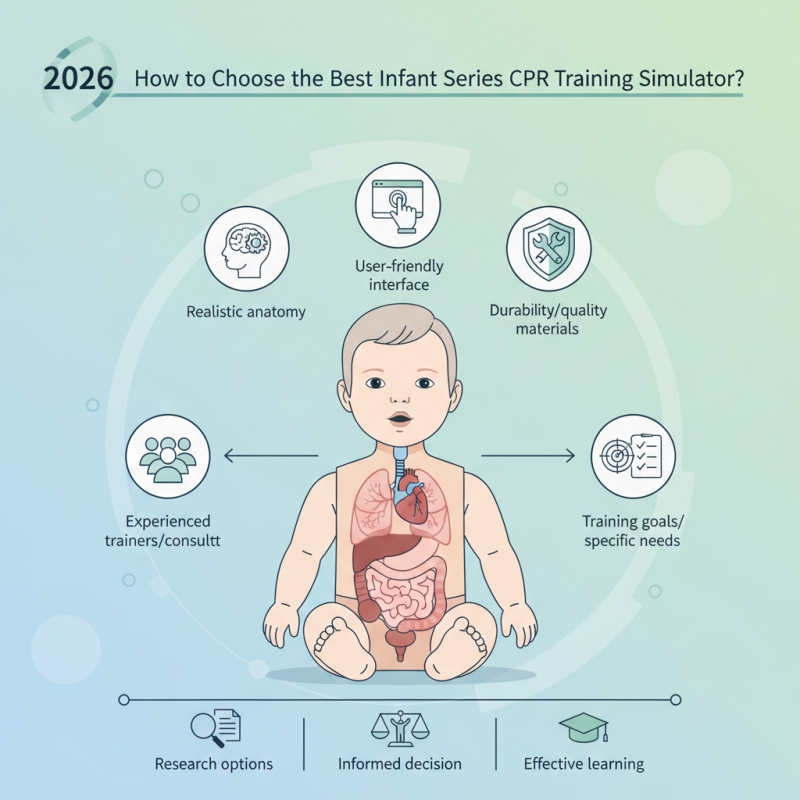
Consider what features are essential for your training needs. Look for simulators with realistic anatomy and user-friendly interfaces. Evaluate the quality of materials used in construction. Durability is key for long-term use in training environments.
Your training program's effectiveness hinges on choosing the best infant simulator. Research the options and consult experienced trainers. Their insights help in making an informed decision. Reflect on your specific training goals to find the optimal match for your needs.
Factors to Consider When Choosing an Infant CPR Training Simulator
When selecting an infant CPR training simulator, several factors are crucial. The realism of the simulator plays a significant role. It should mimic the anatomical features of a real infant. A lifelike feel helps trainees practice effectively. Trainers should also look for features like realistic chest compressions. This aspect ensures that users learn the proper technique.
Cost is another important consideration. While investing in quality is essential, budget constraints are real. Finding a balance between cost and quality can be challenging. A lower-cost simulator may lack necessary features, leading to insufficient training. Reliability matters too. Check for reviews or feedback from other trainers. This can provide insights into the simulator's performance.
Finally, consider the availability of support and resources. A simulator should come with training materials. These resources enhance understanding and retention. Moreover, ongoing support can be beneficial in case of technical issues. Reflecting on these factors can lead to better choices. It’s crucial to remember the aim: effective training for lifesaving skills.
2026 How to Choose the Best Infant Series CPR Training Simulator?
| Feature | Importance Level | Description |
| Realism | High | Simulators should mimic real-life scenarios for effective training. |
| Portability | Medium | Easy to transport for training sessions at different locations. |
| Durability | High | Should withstand frequent use without wear and tear. |
| Feedback Mechanism | High | Provides instant feedback to enhance learning outcomes. |
| Cost | Medium | Ensure the price reflects quality and features offered. |
| Ease of Use | High | User-friendly controls and setup ensure effective training sessions. |
Understanding Different Types of Infant CPR Training Simulators
When selecting an infant CPR training simulator, it's crucial to understand the various types available. Some simulators focus on realistic anatomical features. They help learners grasp key concepts like proper hand placement and compression depth. Others may prioritize portability, making them ideal for courses held in multiple locations.
Consider the learning objectives when choosing a simulator. Different models may come with varying levels of complexity. Some may allow for advanced skills, while others are designed for basic training. This can create a mismatch between learner needs and simulator capabilities.
Tips: Look for a simulator that mimics realistic infant responses. This feature enhances a learner's experience. Also, evaluate the materials used in construction. A durable simulator will last through many training sessions. Lastly, ensure that any training equipment meets established guidelines. This practice adds credibility to the training you provide.
Key Features to Look for in a CPR Training Simulator
When choosing an infant CPR training simulator, several key features should guide your decision. Look for a simulator that provides realistic feedback. High-quality simulators should accurately mimic the body's response to CPR. This helps trainees understand the effectiveness of their techniques. Simulators that offer visual and tactile feedback are particularly useful. They enhance the learning experience by allowing users to feel the depth and rate of chest compressions.
Another critical feature is the ease of use. A good training simulator should be simple to set up and operate. Complex systems can lead to confusion and frustration. Consider an intuitive design that allows instructors to focus on teaching rather than troubleshooting equipment. Durability also matters. Training devices can experience wear and tear, so a robust build ensures longevity.
Lastly, instructional materials should accompany the simulator. Clear guidelines and multimedia resources can reinforce learning. However, be cautious; not all materials are created equal. Some may lack depth or clarity. It’s essential to seek out comprehensive support that aligns with current CPR guidelines. Choosing the right simulator is about balancing features, reliability, and educational value.
Assessing the Realism and Effectiveness of Training Simulators
When choosing an infant CPR training simulator, realism is crucial. A simulator that accurately mimics an infant's physiology greatly enhances learning. Look for features like realistic airway management and responsiveness to compressions. Effective simulators create an engaging environment, promoting better retention of CPR techniques.
Tips: Ensure the simulator includes different scenarios. This variety helps trainees experience real-life situations. Simulators should also allow for practice in team environments. Collaboration is key in emergency situations.
Another aspect to consider is the feedback mechanism of the simulator. Immediate feedback helps learners correct their techniques on the spot. Check if the model evaluates compression depth and rate. This data reinforces best practices.
Yet, not all simulators perform equally. Some may fail to mimic real-life reactions. Reflect on the training sessions. Gather feedback from participants to assess their comfort and confidence levels. Using insights can help improve future training, ensuring it remains effective and impactful.
Budgeting for Your Infant CPR Training Simulator Selection
When selecting the best infant CPR training simulator, budgeting plays a vital role. It’s essential to understand the costs associated with these simulators. Prices can range significantly based on features and realism. Examine your training needs and how often the simulator will be used. This will guide you in making a sound financial decision.
Tip: Look for simulators that offer realistic feedback. The more life-like the simulator, the better the training experience. Consider models that come with essential accessories. This can save costs in the long run. Allocating a reasonable budget will ensure you get a simulator that truly matches your training goals.
While it's tempting to choose the cheapest option, assess the reliability of the product. Research user reviews and expert opinions. Not all affordable options provide adequate educational value. Investing in a good simulator can make a difference in learning outcomes. Always be cautious and consider long-term benefits over short-term savings.
Infant CPR Training Simulator Selection Overview