How to Choose the Best Ortho Prosthesis for Your Needs?
Choosing the right ortho prosthesis can be a daunting task. An estimated 45 million people in the U.S. alone live with limb loss. This statistic emphasizes the importance of selecting an appropriate prosthetic device. If the right fit and function are not considered, users risk discomfort and potential complications.
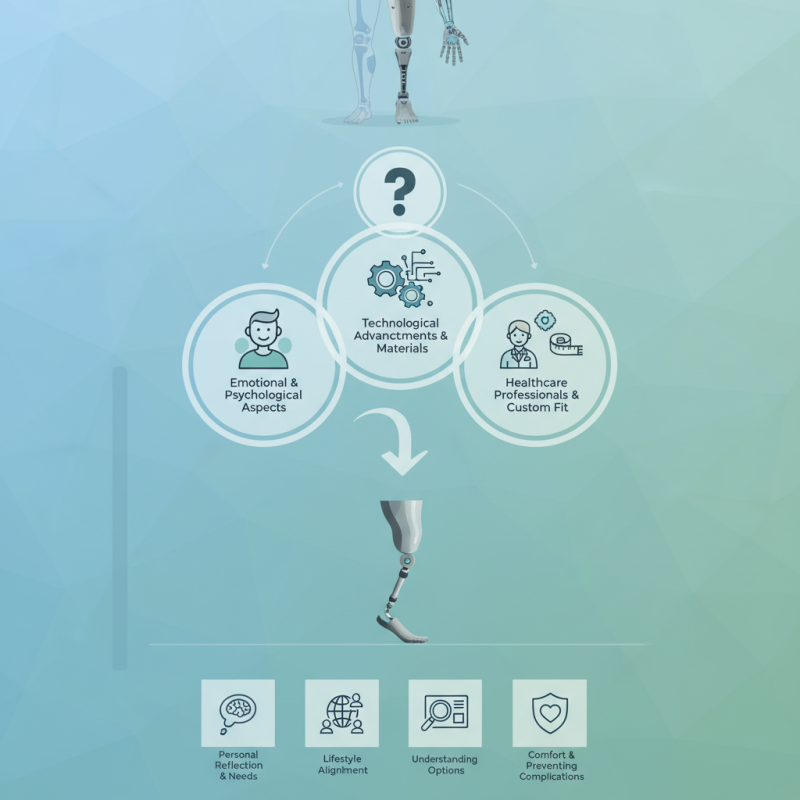
Recent studies show that about 70% of users prefer prostheses that mimic the natural appearance of limbs. This preference highlights the emotional and psychological aspects of limb loss. An ortho prosthesis should provide more than just physical support; it needs to enhance the user’s quality of life. Furthermore, advancements in technology have led to innovative designs, yet many still struggle with the right choice.
Engaging with healthcare professionals is critical. Their expertise can guide individuals through various options, ensuring that the selected ortho prosthesis aligns with lifestyle needs and preferences. Understanding the materials, technology, and fit is necessary. Every individual’s journey is different, and reflection on personal needs is essential for making the best choice.
Understanding Different Types of Ortho Prostheses Available Today
When selecting an ortho prosthesis, it's essential to understand the various types available. There are several categories to consider. The most common types include above-knee, below-knee, and upper limb prosthetics. Each type serves distinct purposes. Above-knee prostheses provide support for individuals with amputations above the knee. Below-knee versions are suited for those who have lost a lower leg.
Upper limb prosthetics cater to arm and hand amputations. These devices can range from basic hooks to advanced myoelectric prostheses. Myoelectric options use muscle signals for improved control. They offer enhanced functionality but come with a higher cost and maintenance needs. Each user's needs differ, so consider lifestyle and activity levels.
The choice can be overwhelming. It's important to consult with healthcare professionals. Seeking advice can clarify doubts and inform choices. Trial sessions with different prosthetic types might reveal which is best suited for you. Making the right choice can improve comfort and mobility but requires careful thought. Reflect on personal experiences and preferences to find what truly works for you.
Factors to Consider When Choosing an Ortho Prosthesis
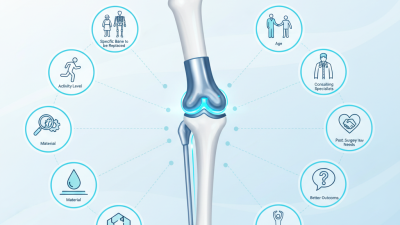
Choosing an ortho prosthesis requires thoughtful consideration. Start with your individual needs and lifestyle. Think about your daily activities. Do you need a prosthesis for sports, work, or daily living? Understanding how you’ll use the prosthesis will guide your choice.
Material choice is another critical factor. Different materials offer varied benefits. For example, lightweight options enhance mobility. Some materials may be more durable but heavier. You must balance weight with stability. It's also essential to consider comfort. A prosthesis that fits well reduces discomfort during prolonged use.
Don't overlook professional advice. Consult with an orthopedic specialist or a prosthetist. Their expertise can significantly impact your decision. They can provide valuable insights about the latest technologies and customization options. Remember, there is no one-size-fits-all solution. Take your time to reflect on what best fits your life.
How to Choose the Best Ortho Prosthesis for Your Needs?
| Factor |
Description |
Importance Level |
| Material |
Consider the durability and comfort of materials such as plastic, metal, and silicone. |
High |
| Fit |
A well-fitted prosthesis prevents discomfort and enhances mobility. |
Critical |
| Weight |
Lighter prostheses are often easier to use, promoting mobility and reducing fatigue. |
Medium |
| Adjustability |
Prostheses with adjustable features can accommodate changes in fit over time. |
High |
| Cost |
Evaluate the cost versus long-term benefits and maintenance. |
Medium |
| Aesthetics |
The appearance of the prosthesis can impact the user’s confidence and satisfaction. |
Low |
| Warranty & Support |
Look for products with good warranty terms and user support options. |
High |
Evaluating Your Lifestyle Needs for Optimal Prosthesis Selection
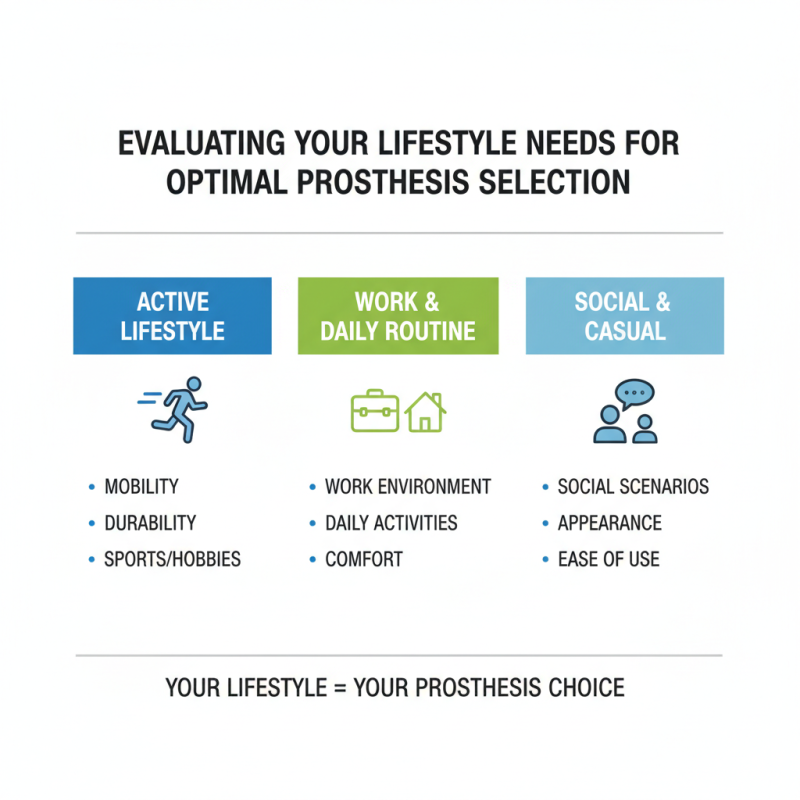
When selecting the right ortho prosthesis, evaluating your lifestyle needs is crucial. Your daily activities play a significant role in this decision. For instance, if you lead an active lifestyle, a prosthesis designed for mobility and durability will be essential. Consider your hobbies, work environment, and even social scenarios when assessing your requirements.
Think about the level of comfort you need throughout the day. A prosthesis that fits well can enhance your experience during both workouts and casual outings. Reflect on the support needed for specific activities. Sometimes, the best option may not be the most advanced technology but rather something that complements your life seamlessly. If you find that a particular prosthesis doesn't align with your routine, it’s important to revisit your choices.
Additionally, don’t overlook the importance of consultation with healthcare professionals. They can provide valuable insights tailored to your situation. Engaging in discussions about realistic expectations can help refine your choices. This process might reveal unexpected needs or limitations, prompting you to reconsider factors you initially deemed unimportant. Ultimately, a thoughtful and nuanced evaluation of your lifestyle will guide you to the most suitable orthosis.
Consulting with Healthcare Professionals for Recommendations
Choosing the right ortho prosthesis can be challenging. Consulting healthcare professionals is essential in this process. Doctors, physical therapists, and prosthetists have the expertise to guide you. They assess your unique needs, considering factors like activity level and lifestyle. These experts help you understand the types of prostheses available.
During consultations, ask questions. Learn about materials used in prosthetic designs. Discuss comfort, adjustability, and durability. Understanding these factors can lead to better choices. Sometimes, the information might seem overwhelming. Don't hesitate to seek clarification on any confusing details.
Consider discussing your goals openly with your healthcare team. They can provide valuable insights and recommendations. Reflect on your experiences with any past devices. If something didn’t work well, share that information. It helps them tailor their advice. The journey toward finding the best ortho prosthesis is a collaborative effort. Open communication fosters trust and better outcomes.
Comparison of Different Orthopedic Prosthesis Options
Assessing Fit, Comfort, and Functionality of the Prosthesis
Choosing the right ortho prosthesis involves careful consideration of fit, comfort, and functionality. The fit is crucial; a well-fitted prosthesis will significantly enhance mobility. In fact, research shows that 70% of users experience improved confidence with an effective fitting process. Investing time in assessments can prevent the discomfort caused by poorly fitted devices.
Comfort plays a vital role in daily use. Users often report discomfort due to pressure points or excessive weight in their prostheses. A lighter design can contribute to less fatigue. Industry data indicate that users prefer materials that offer both durability and softness. This balance can make a long-term difference in user satisfaction.
Tips: Always consult with a certified prosthetist. They can provide insights tailored to your specific needs. Regular adjustments can enhance fit and comfort; don't hesitate to seek help frequently. Remember to evaluate your prosthesis regularly. Changes in weight or activity level might require updates in your device to maintain optimal function. Be persistent in finding what truly feels right for you.