10 Essential Tips for Choosing the Right Bone Prosthesis

Choosing the right bone prosthesis is crucial for recovery and mobility. A well-fitted prosthesis can significantly improve your quality of life. However, there are many factors to consider when making this decision.

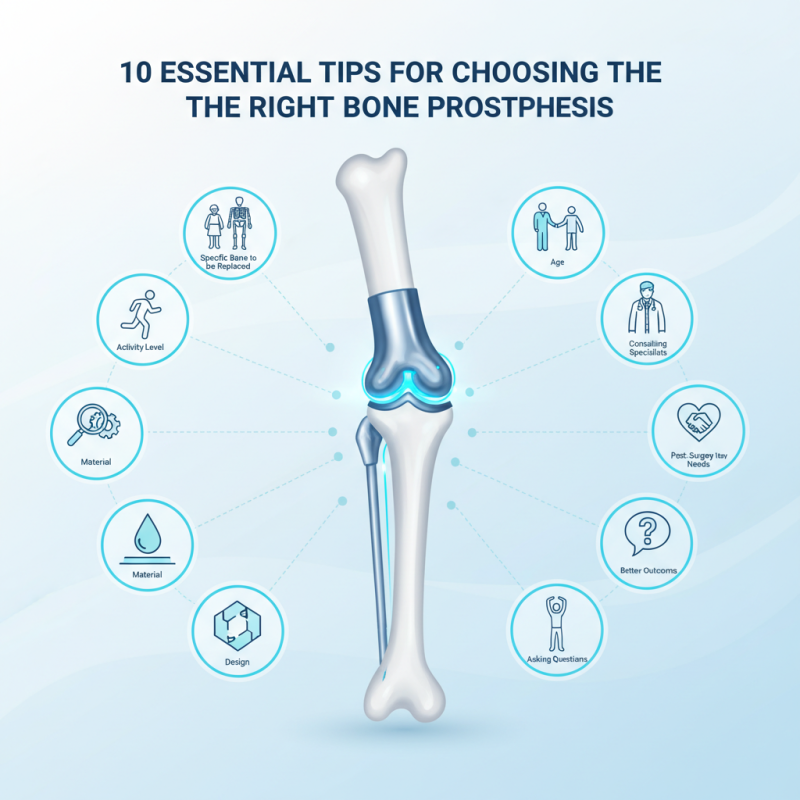
Understanding your individual needs is essential. Each patient's situation is unique. Factors such as age, activity level, and the specific bone to be replaced all play a role. Consulting with orthopedic specialists can provide valuable insights. They can guide you toward the most suitable options available.

It's also important to consider the material and design of the prosthesis. Advanced materials can improve durability and comfort. Not all prostheses are designed equally, and finding one that aligns with your lifestyle is vital. Reflect on your post-surgery activities. Will your choice support them? Asking these questions can lead to better outcomes.
10 Essential Tips for Choosing the Right Bone Prosthesis

Understanding Bone Prosthesis: Types and Uses

Bone prostheses are essential for restoring mobility and function after injury or disease. Understanding the types and uses of these devices can significantly enhance patient outcomes. There are various types of bone prostheses, including total joint replacements and segmented prostheses. Each serves specific purposes depending on the anatomical location and nature of the injury.

Total joint replacements, like hip or knee prostheses, typically address severe arthritic conditions. They provide stability and reduced pain. In cases of bone loss, segmented prostheses offer a tailored solution to restore form and function. Materials used in these devices vary. Metal alloys and polymers are common choices due to their strength and durability. Yet, these options also pose challenges, such as wear and the need for future surgeries.

Patients often face difficult decisions when choosing a prosthesis. Not all options are suitable for everyone. Individual needs vary, and factors like activity level and age matter. Engaging in a detailed discussion with a healthcare provider can clarify choices. Any selection should consider long-term function and potential complications, leading to better overall satisfaction with the chosen prosthesis.

10 Essential Tips for Choosing the Right Bone Prosthesis

Tip Number Tip Description Types of Prosthesis Common Uses
1 Consult with an orthopedic specialist. Intramedullary rods, plates Fracture fixation
2 Understand the type of bone needed for replacement. Metallic prosthesis, ceramic prosthesis Joint replacement
3 Consider the patient's age and activity level. Cemented, uncemented Total hip or knee replacement
4 Evaluate the quality of materials used. Titanium, stainless steel, polymers Bridge defects, trauma reconstruction
5 Take into account any allergies or sensitivities. Biodegradable materials, polymer Temporary stabilization
6 Research the success rates of various prostheses. Hemiarthroplasty, total arthroplasty Hip fractures, knee degenerative diseases
7 Consider post-operative rehabilitation needs. Functional prostheses Restoration of mobility
8 Follow up on long-term maintenance and monitoring. Custom-fit prostheses Personalized treatments
9 Assess pain management strategies. Pain relieving implants Chronic pain management
10 Stay informed about advancements in prosthetic technologies. Smart prosthetics Enhancing functionality

Assessing Your Specific Medical Needs for Bone Prosthesis

Choosing a bone prosthesis can feel overwhelming. Every individual's medical needs differ, making personalized assessments crucial. Assessing the type and extent of your injury is the first step. This will greatly influence the type of prosthesis that will be effective. Speak with your healthcare provider about your specific condition. Detailed discussions can uncover your unique requirements.

Next, consider your lifestyle and activity level. Do you prefer a sedentary or an active lifestyle? A prosthesis designed for walkers may not suit an athlete. Visualizing your daily activities can clarify your needs. Some patients might overlook their physical goals. Make sure to communicate these with your medical team. This ensures they factor them into their recommendations.

Lastly, emotional aspects play a critical role. Adapting to a prosthesis takes time and patience. The psychological impact can be profound, and acknowledging this is vital. Reflecting on your feelings about surgery and recovery can inform your choices. It's essential to address both physical and emotional needs when navigating prosthesis options.

10 Essential Tips for Choosing the Right Bone Prosthesis

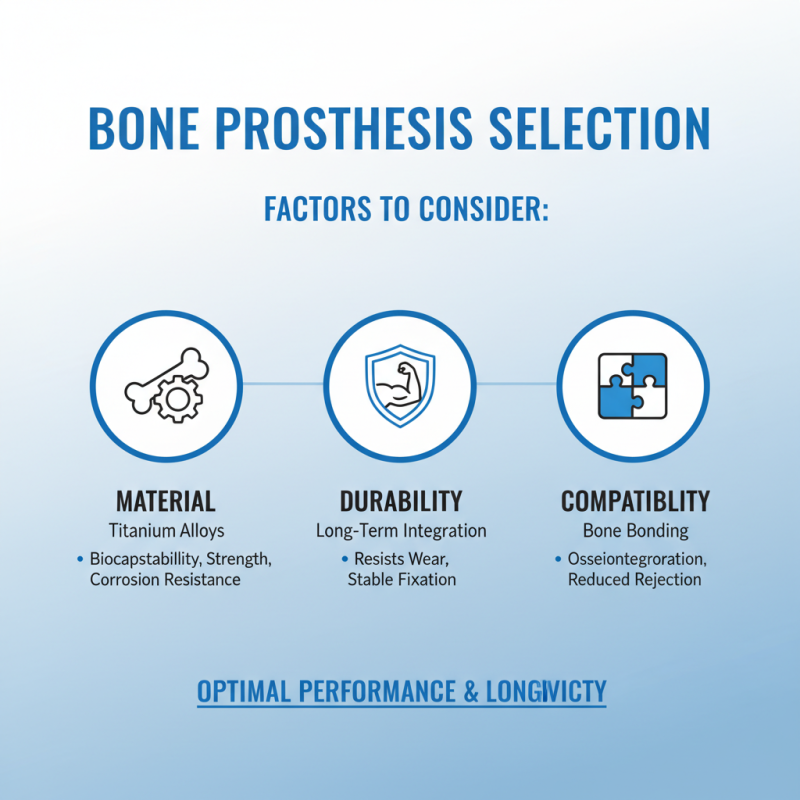
Factors to Consider: Material, Durability, and Compatibility

10 Essential Tips for Choosing the Right Bone Prosthesis

Choosing the right bone prosthesis involves careful consideration of several factors. Material plays a crucial role in the longevity and compatibility of the prosthesis. Common materials include titanium, cobalt-chrome, and ultra-high molecular weight polyethylene. According to recent studies, titanium alloys provide excellent biocompatibility and strength. They resist corrosion and bond well with human bone. This quality is essential for long-term durability.

Durability is another critical aspect. Research indicates that prostheses can last between 10 to 30 years, depending on the material and patient lifestyle. Overuse or improper care may lead to premature failure. Notably, around 30% of patients experience complications related to improper material choice. Compatibility with the patient's body is equally important. Every individual's anatomy is unique. A prosthesis that fits well can reduce complications and improve functionality.

Reflection on personal experiences in clinical settings shows that not all materials suit every patient. Factors like age, activity level, and overall health significantly affect the prosthesis’s effectiveness. An informed choice should not only consider expert recommendations but also individual patient needs. Each case may require a tailored approach, ensuring the highest level of satisfaction and performance.

Consulting with Healthcare Professionals: Key Questions to Ask

Choosing the right bone prosthesis is a crucial step toward recovery. Consulting with healthcare professionals is essential in this process. Start by asking about their experience with prosthesis fittings. Understanding their background helps build trust. Detail is vital here; inquire about how many procedures they have performed.


It's also important to discuss the various types of prostheses available. Each has unique features and benefits. Ask about the materials used. Some may offer better durability than others. Requesting information on the expected lifespan of a prosthesis can reveal insights into its long-term viability.


Finally, don’t forget to voice your concerns. Whether it's about pain management or mobility, articulating your worries opens up dialogue. Asking about potential complications is key. Remember, it’s your body, and your comfort with the chosen prosthesis should be a priority. Engage actively; this is a journey you can navigate together with your healthcare team.

Post-Operative Care and Maintenance for Bone Prostheses

Post-operative care for bone prostheses is crucial for successful recovery. Proper maintenance can significantly affect healing outcomes. Patients should monitor the surgical site regularly. Look for inflammation or unusual changes. If anything seems off, consult your doctor immediately.

Following doctor's instructions is mandatory. Medications must be taken on time. Pain management helps improve mobility. You might face challenges in adjusting to the prosthesis. It can be uncomfortable initially. Building a routine can aid in adapting to daily tasks.

Consider the following tips: Always keep the area clean to prevent infection. Regular check-ups ensure proper alignment. Engage in light exercises to enhance circulation. Discuss your progress openly with healthcare providers. They offer tailored advice that can improve your recovery experience. There can be setbacks. Reflect on what works best and what needs adjustment.