Top Orthopedic Surgical Instruments for Global Buyers?
In the ever-evolving field of medicine, orthopedic surgical instruments play a crucial role. These tools facilitate specialized surgeries, ensuring better patient outcomes. Global buyers need a comprehensive understanding of these instruments to make informed decisions.
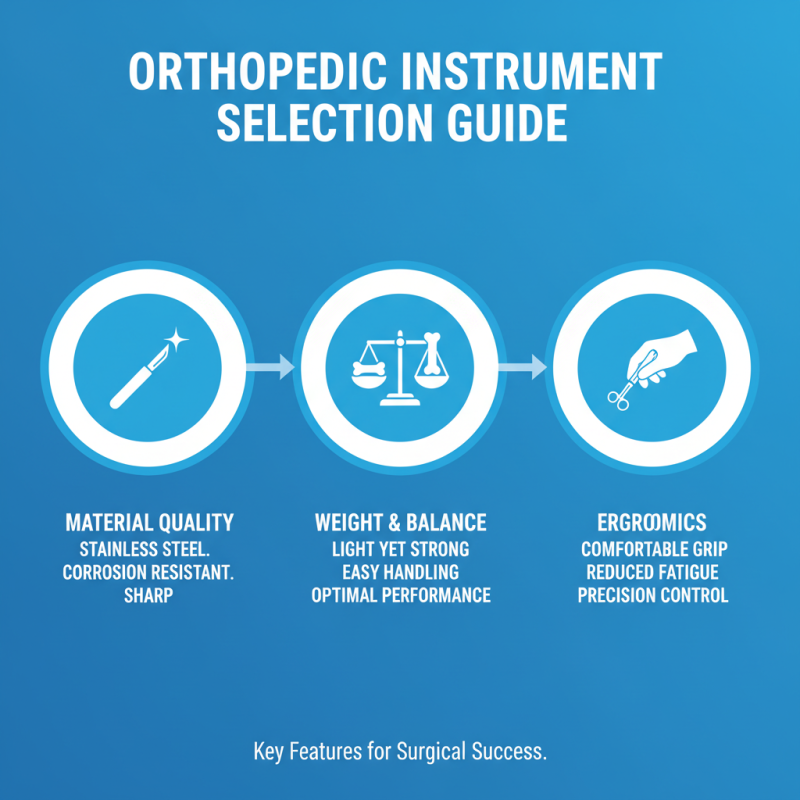
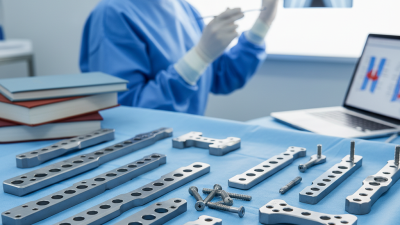
Orthopedic surgery requires precision and durability. Essential instruments include bone saws, chisels, and plates. Each tool serves a specific purpose, from cutting to stabilization. However, selecting the right instruments can be challenging. The market is flooded with various options. Quality can vary significantly among manufacturers.
Buyers must evaluate not just the price, but also the reliability of these instruments. Some products may not meet high standards, leading to poor surgical outcomes. Therefore, it's critical to consider the source and the manufacturer’s reputation. When making purchases, knowledge and expertise are vital. Understanding orthopedic surgical instruments helps in ensuring optimal surgical practices.

Overview of Orthopedic Surgical Instruments in Global Markets
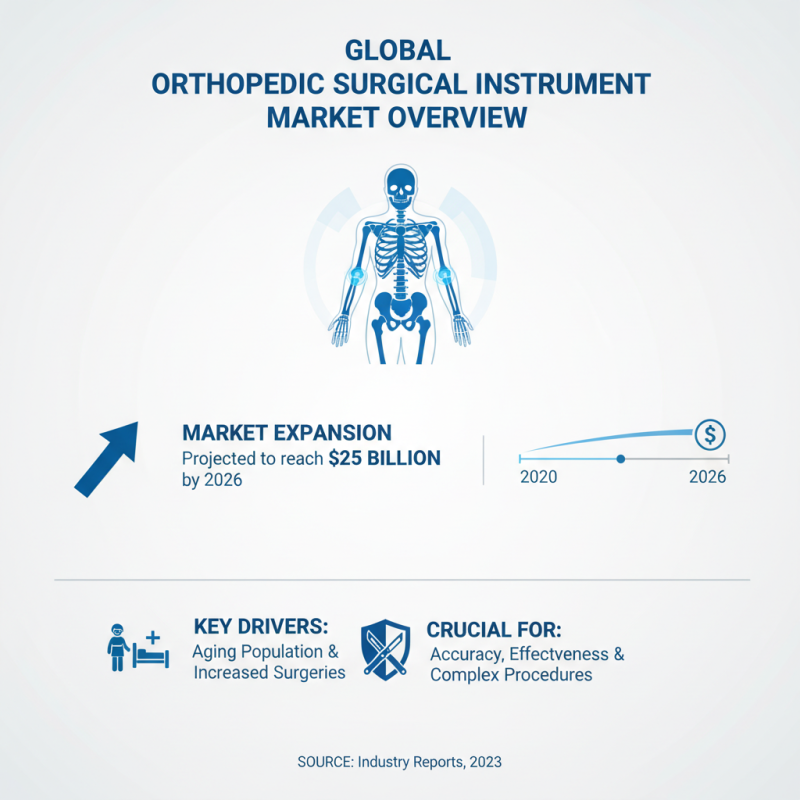
Orthopedic surgical instruments play a pivotal role in treating musculoskeletal disorders. The global market for these instruments is expanding rapidly, projected to reach approximately $25 billion by 2026, according to industry reports. This growth is driven by an aging population and an increase in orthopedic surgeries. Surgeons require high-quality tools that ensure accuracy and effectiveness, especially during complex procedures.
Instruments such as bone saws, forceps, and retractors are essential in various surgical settings. For instance, a report highlighted that demand for minimally invasive surgical tools has risen significantly. Patients experience shorter recovery times and less postoperative pain, leading to higher satisfaction levels. However, the market faces challenges, like the need for consistent innovation and the high cost of advanced technologies.
Quality control remains a critical issue. While manufacturers strive to meet global standards, occasional discrepancies arise. These inconsistencies can affect surgical outcomes. The industry needs to address these reliability concerns while maintaining affordability for healthcare providers. Collaboration between manufacturers and healthcare professionals is essential for ensuring patient safety and enhancing instrument performance.
Common Types of Orthopedic Surgical Instruments and Their Uses
Orthopedic surgical instruments play a vital role in treating musculoskeletal conditions. These tools help surgeons perform precise operations, ensuring better patient outcomes. Common instruments include scalpels, forceps, and retractors. Each serves a unique purpose in the operating room.
Scalpels are essential for making incisions. Their sharp blades allow for clean cuts, minimizing tissue damage. Forceps help grasp and hold tissues during procedures. Various types, like tissue or bone forceps, cater to different needs. Retractors maintain visibility by holding back skin and muscles, providing surgeons an unobstructed view of the surgical site.
However, the choice of instruments can be challenging. Not all instruments fit every procedure perfectly. Surgeons often must adapt to the available tools. Moreover, the constant evolution of technology means staying updated with the latest advancements. This adaptability reflects the ongoing need for training and education among surgical teams.
Top Orthopedic Surgical Instruments and Their Common Uses
Factors Influencing the Demand for Orthopedic Instruments Worldwide
The demand for orthopedic instruments is influenced by various factors, including population growth and aging. According to a report by Research and Markets, the orthopedic device market was valued at approximately $48 billion in 2021 and is expected to grow at a CAGR of 6% until 2028. This growth is largely driven by an increase in joint disorders and injuries.
Moreover, advancements in technology have led to the development of more precise surgical instruments. These innovations improve surgical outcomes and patient recovery times, making such instruments increasingly sought after. Yet, not every facility has access to these latest tools, highlighting disparities in healthcare quality around the globe.
Tip: Consider investing in training for staff to utilize new instruments effectively. Additionally, regional demand can challenge global suppliers. Understanding local market needs is crucial for success. Dissecting these factors enables stakeholders to navigate the complexities of the orthopedic instrument market.
Emerging Trends and Innovations in Orthopedic Surgical Tools
Emerging trends in orthopedic surgical tools reflect advancements in technology and materials. Today, minimally invasive techniques are on the rise. These methods reduce recovery time and improve patient outcomes. According to the Global Orthopedic Surgical Instruments Market Report, the sector is projected to grow by 5.9% annually, hinting at increasing demand.
Innovations such as 3D printing and robotics are transforming orthopedic procedures. 3D-printed implants allow for personalized solutions tailored to patient anatomy. Meanwhile, robotic-assisted surgeries enhance precision, reducing the risk of complications. The integration of smart technologies also boosts efficiency in surgical planning.
Despite these advancements, challenges remain. The high cost of new technologies can limit accessibility for many institutions. Additionally, proper training is essential for surgeons to utilize these advanced tools effectively. As the field evolves, ongoing education and accessibility will be crucial for maximizing the benefits of orthopedic innovations.
Top Orthopedic Surgical Instruments for Global Buyers
| Instrument Type |
Material |
Application |
Emerging Trend |
| Surgical Scissors |
Stainless Steel |
Soft Tissue Dissection |
Enhanced Ergonomics |
| Bone Saw |
Carbon Steel |
Bone Cutting |
Lightweight Design |
| Trocars |
Titanium |
Laparoscopic Procedures |
Minimally Invasive Approaches |
| Bone Chisel |
Alloy Steel |
Bone Shaping |
Improved Cutting Edge |
| Clamps |
Stainless Steel |
Bone Stabilization |
Autoclavable Materials |
| Surgical Knives |
High Carbon Steel |
Incision Making |
Nano-Coated Blades |