Why Clear Ortho is Revolutionizing Orthodontic Treatment Options?
Clear ortho represents a significant shift in orthodontic treatment options. Unlike traditional methods, these treatments focus on comfort and aesthetics. The American Association of Orthodontists notes that nearly 75% of patients prefer clear aligners due to their discretion. This growing demand for clear ortho reflects a broader trend in the industry toward personalized dental care.
Recent data indicates that the clear aligner market is projected to reach $7.5 billion by 2025. This increase is driven by improved technology and patient preferences. Clear ortho is becoming increasingly popular, especially among adults seeking treatment. However, with innovations come challenges. Not every patient is an ideal candidate for clear aligners. Dentists must evaluate each case thoroughly to ensure the best outcomes.
The success of clear ortho hinges on expert knowledge and experience. Dental professionals should stay informed about advancements and techniques. Research shows that compliance rates can vary significantly among patients. This variability must be addressed to optimize treatment effectiveness. Clear ortho is reshaping orthodontics, but it encourages continuous reflection on patient selection and treatment planning.
Overview of Clear Ortho Technology in Orthodontics
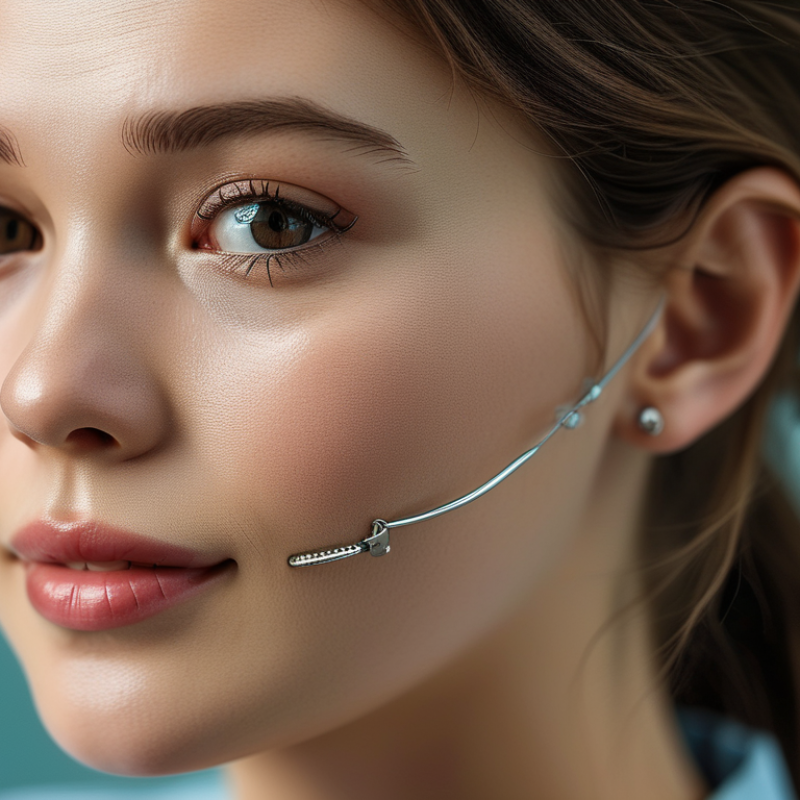
Clear Ortho technology is redefining how orthodontic care is delivered. This innovative approach utilizes 3D printing and advanced imaging techniques to create customized aligners for patients. Research shows that 70% of patients prefer clear aligners over traditional braces. Many appreciate the comfort and aesthetic appeal they offer during treatment. Clear aligners have transformed the patient experience in orthodontics.
The technology behind Clear Ortho focuses on precision and efficiency. It reduces treatment times by up to 30%. A study published in the "American Journal of Orthodontics" highlights that digital scans improve the diagnostic process and help create more effective treatment plans. However, the reliance on digital technologies can pose challenges. Not all orthodontists are trained to use these advanced tools, which could lead to variability in care quality.
Moreover, while clear aligners are effective, they may not suit everyone. Complex cases still require traditional methods. The industry needs to keep a close eye on treatment outcomes. Continuous education is essential to ensure practitioners stay updated on evolving technologies. This combination of innovation and reflection will shape the future of orthodontic treatment.
Advantages of Clear Aligners Compared to Traditional Braces
Clear aligners are changing the landscape of orthodontics. They provide a more comfortable and discreet option compared to traditional braces. According to a report from the American Association of Orthodontists, about 80% of patients prefer clear aligners over metal brackets. This preference is largely attributed to aesthetics and comfort. Clear aligners are made from smooth plastic, reducing irritation to the gums and cheeks.
Another significant advantage is the ability to remove clear aligners. Patients can easily take them out when eating or brushing their teeth. This flexibility promotes better oral hygiene. A study published in the Journal of Orthodontics found that patients with aligners maintain a 50% higher level of oral cleanliness than those with traditional braces.
However, it's essential to note that clear aligners require discipline. Patients must wear them for 20-22 hours daily for optimal results. If not worn consistently, they may not work effectively. The treatment time can also vary significantly based on the complexity of the case. While they are an excellent option for many, some individuals may still require traditional methods. Ultimately, the choice depends on specific dental needs and patient preferences.
Why Clear Ortho is Revolutionizing Orthodontic Treatment Options?
| Feature |
Clear Aligners |
Traditional Braces |
| Aesthetics |
Almost invisible |
Noticeable metal brackets |
| Comfort |
Smooth aligners, less irritation |
Metal brackets can cause discomfort |
| Removability |
Can be removed for eating and cleaning |
Fixed in place, cannot be removed by patient |
| Treatment Duration |
Shorter treatment time in many cases |
May take longer depending on complexity |
| Oral Hygiene |
Easier to maintain, no food restrictions |
Harder to clean, food restrictions apply |
| Treatment Tracking |
At-home tracking options available |
Regular office visits required |
Patient-Centric Approaches in Clear Ortho Treatments
The landscape of orthodontics is shifting towards a more patient-centric model. Clear orthodontic treatments focus on the unique needs of each patient. They provide a customizable approach that allows for a more comfortable and effective experience. Patients can now choose treatment plans that align with their lifestyle and preferences.
This growing trend emphasizes the importance of understanding individual patient goals. Each treatment is tailored, considering factors like age, dental health, and personal preferences. Moreover, digital tools allow for better communication between patients and orthodontists. Through advanced imaging and modeling, patients can visualize their treatment outcomes before starting. The process fosters engagement, making orthodontic care a collaborative journey.
However, these innovations aren’t without challenges. Some patients may feel overwhelmed by choices or unsure about technology. Ensuring that every patient feels informed and confident in their decisions remains crucial. As orthodontic practices evolve, continuous feedback from patients can help refine these patient-centered approaches. Listening and adapting to patient needs is vital for meaningful advancements in treatment.
Innovative Features and Materials Used in Clear Ortho
Clear ortho is transforming orthodontic treatment. This approach employs innovative features and materials, leading to more effective and comfortable solutions. Research indicates that patient satisfaction with clear aligners is approximately 80% higher than traditional methods. This is largely due to the technology used in creating these aligners.
Advanced materials, such as thermoplastic polymers, are at the core of clear ortho. These materials provide durability while ensuring flexibility. A study shows that new aligner technology can reduce treatment times by over 30%. However, not all cases are suitable for this new technology, and some patients might experience discomfort during initial adjustments.
Moreover, the precision of 3D printing in manufacturing aligners allows for highly personalized treatment plans. This customization has led to a notable reduction in the number of dental visits, showing an average decrease of 60%. Yet, a reliance on technology raises questions about long-term efficacy and patient compliance, leading to thoughtful considerations in treatment planning.
Future Trends and Developments in Orthodontic Care with Clear Ortho
The landscape of orthodontic care is changing rapidly.
Clear aligners have become increasingly popular. According to a recent industry report, the clear aligner market is projected to grow by 20% annually. This trend signifies a shift towards personalized treatment plans. Consumers prefer clear aligners for their aesthetic appeal and comfort.
Future developments focus on incorporating advanced technology. Artificial intelligence may soon play a crucial role in treatment planning. Some dental professionals are already using AI for precise aligner adjustments. Additionally, 3D printing technology can customize aligners in less time, reducing waiting periods for patients. Yet, there are challenges. Not all patients may be ideal candidates for aligners. Furthermore, ensuring consistency in treatment requires reliable data.
Moreover, patient education is paramount. Many individuals still lack awareness of their options. Surveys indicate that only 35% of potential users understand how clear aligners work. Bridging this knowledge gap is essential for widespread adoption. Ongoing research will be pivotal in addressing misconceptions and enhancing outcomes, ensuring that both dental professionals and patients can navigate these innovations confidently.