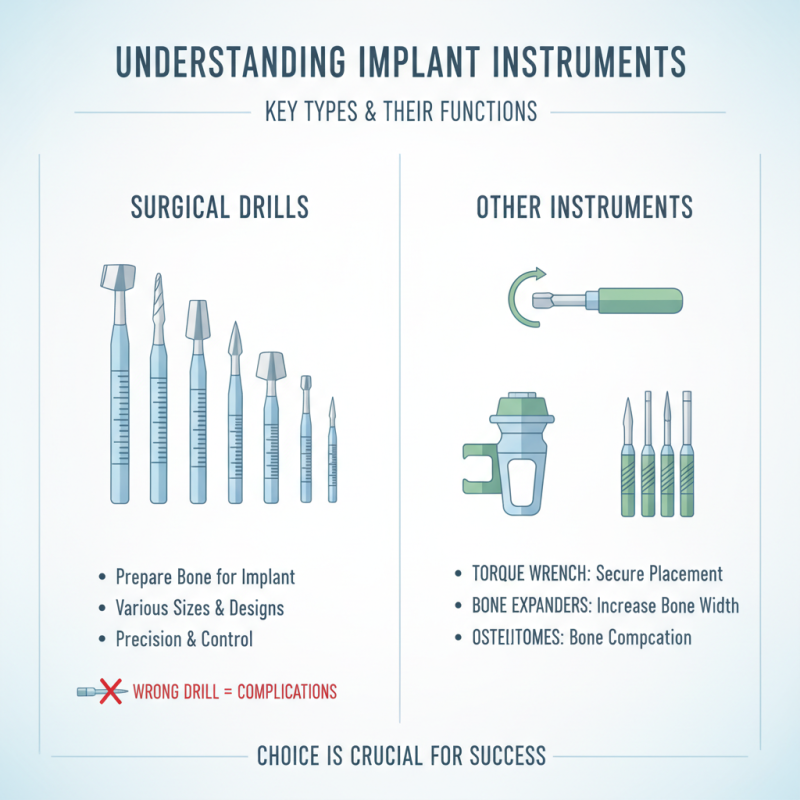
Choosing the right implant instruments is crucial for successful dental procedures. Recent industry reports highlight that nearly 30% of surgical complications arise from improper instrument selection. This underlines the importance of precision in choosing the correct tools. Dental professionals must assess the quality and usability of instruments before making decisions.
High-quality instruments enhance surgical outcomes and patient satisfaction. A survey from the Journal of Clinical Implant Dentistry found that dentists who invest in premium implant instruments report a 15% increase in treatment success rates. However, many practitioners still overlook the significance of instrument ergonomics, leading to fatigue and decreased performance during long procedures.
It’s essential to understand that sourcing implant instruments is not just a transaction. It requires knowledge and experience. Many professionals reflect on past mistakes when selecting instruments without proper consideration. Thus, continuous education and awareness can vastly improve instrument selection. The right choices can lead to enhanced safety and efficiency in the operating room.

When selecting implant instruments, understanding the variety available is crucial. The types of instruments can significantly influence the success of an implant procedure. Surgical drills, for instance, are essential for preparing the bone. These drills come in various sizes and designs, allowing for precision and control. Choosing the correct drill is vital, as an inadequate one can lead to complications.
Another category is the implant placement tools. These instruments help ensure that the implant is positioned accurately. They can include drivers and torque wrenches, which offer stability during placement. It's essential to understand how each tool works. Not all tools are equal. Some may have compatibility issues with certain implants, leading to unforeseen challenges.
Hand instruments also play a key role in the process. Instruments like forceps or scalers are necessary for soft tissue management. Their effectiveness can vary widely based on design and ergonomics. An experienced clinician should evaluate these aspects carefully. Reflecting on past experiences with different tools can aid in making better choices. Continuous learning and adaptation are needed in this dynamic field.
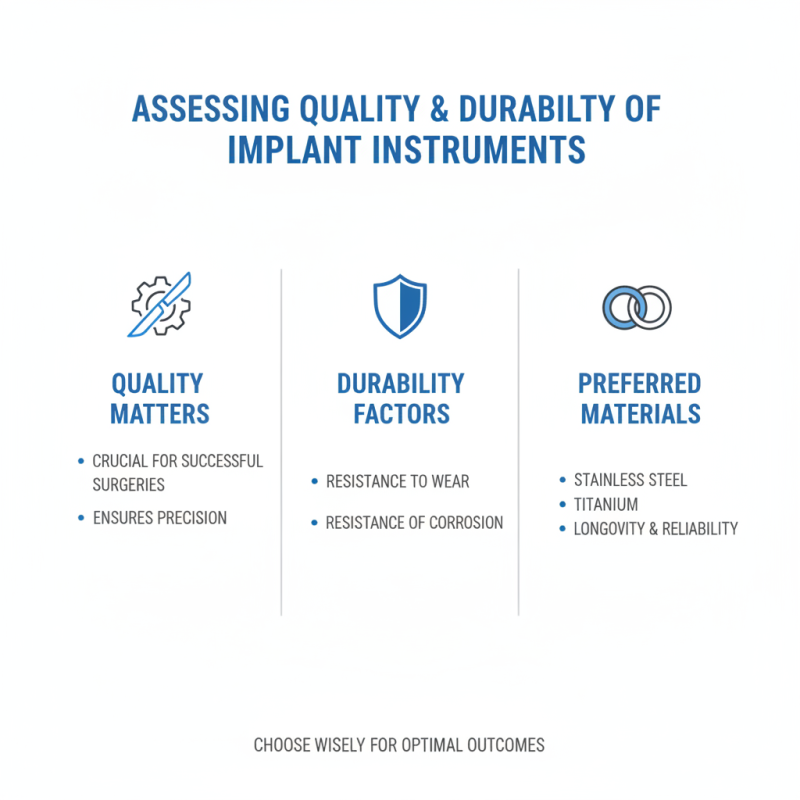
Choosing the right implant instruments hinges on assessing their quality and durability. High-quality instruments are crucial for successful surgical outcomes. Materials used in instruments should resist wear and corrosion. Stainless steel and titanium are common choices. They not only provide longevity but also ensure precision during procedures.
It’s important to examine the craftsmanship of these instruments. Flaws in manufacturing can lead to failure during surgery. Even minor defects can compromise the procedure. Instruments should have a smooth finish and comfortable handling. Testing several options may be necessary to find the best fit.
Furthermore, consider the warranties and guarantees offered. Reliable instrumentation companies stand behind their products. This adds to your confidence in the quality. However, mistakes can happen, and instruments may not perform as expected. Always have backup options available. Regular maintenance is also vital. Even the best instruments require care to maintain their performance and reliability.
When selecting surgical tools, focusing on ergonomics and user comfort is essential. The right instruments should fit well in the surgeon's hand. A well-designed handle allows for better grip and control. Look for instruments that reduce strain during prolonged procedures. Comfort can improve accuracy and reduce fatigue.
Evaluate the weight of the tools. Heavier instruments may lead to discomfort, especially during lengthy surgeries. Conversely, very light instruments might lack the necessary stability. It's crucial to find a balance that suits your workflow. Testing the tools before making a purchase can provide insight into their usability.
Pay attention to texture and material. Instruments with a non-slip surface can enhance grip, even when hands are moist. Additionally, the contours should align with the natural hand position. Some tools may seem appealing but can lead to discomfort after extended use. Collect feedback from peers about their experiences. These insights can help inform your choices, leading to better patient outcomes.
| Tip Number | Tip | Description | Ergonomics Score (1-10) | User Comfort Score (1-10) |
|---|---|---|---|---|
| 1 | Assess Weight | Choose instruments that are lightweight to reduce hand fatigue. | 8 | 9 |
| 2 | Evaluate Grip Design | Look for ergonomic handles that fit comfortably in your hand. | 9 | 8 |
| 3 | Check Instrument Balance | Ensure tools feel well-balanced for better control during surgeries. | 9 | 8 |
| 4 | Consider Material | Select instruments made of high-quality materials to enhance comfort. | 8 | 9 |
| 5 | Test With Cadaver Models | Practice using tools on cadaver models to gauge feel and comfort. | 7 | 9 |
| 6 | Analyze Usability | Choose tools that offer intuitive use to minimize errors. | 8 | 8 |
| 7 | Inspect Tool Length | Ensure length is appropriate for the specific procedure being performed. | 7 | 8 |
| 8 | Review Maintenance Needs | Select instruments that are easy to clean and maintain. | 9 | 9 |
| 9 | Seek Feedback from Peers | Gather opinions from colleagues who have used the instruments. | 8 | 8 |
| 10 | Consider Cost vs. Benefit | Evaluate the cost relative to performance and comfort of tools. | 7 | 7 |
When selecting implant instruments, cost and value for money are crucial. Many professionals often overlook these aspects in pursuit of quality. However, a higher price does not always guarantee superior performance. It’s essential to evaluate whether the features justify the expense.
Assessing the actual value involves considering durability, usability, and efficiency. Instruments that might seem expensive could save money over time due to their longevity. On the other hand, cheaper options may require frequent replacements or repairs. This ongoing cost can quickly surpass the initial savings.
Conversations around instrument selection often highlight personal experiences. Some practitioners find that investing in specific instruments pays off. Others discover the hard way that not all high-priced tools meet expectations. Engaging with peers and seeking trusted reviews can lead to better decision-making. Balancing cost with practical outcomes is key.
When choosing implant instruments, understanding the manufacturer's reputation is crucial. Research can reveal how others view the instruments. Valuable insights come from reviews and ratings. Seek feedback from both professionals and patients to gauge trustworthiness.
Tip 1: Focus on established brands with a history of quality. Look for manufacturers with extensive experience. Long-standing companies have often proven their reliability over time. Newer brands may lack sufficient testing.
Tip 2: Verify certifications and compliance. Instruments should meet medical standards. This compliance reflects safety and effectiveness in clinical settings. Documents should be easily accessible.
It's also wise to reflect on your own experiences and those of your colleagues. Discuss what worked well and what didn’t. Evaluating past choices can help refine future decisions. Remember, even trusted brands can have occasional flaws. Balancing reputation with personal experience is key in the decision-making process.
This chart illustrates the importance of various factors to consider when selecting implant instruments, highlighting Material Quality, Manufacturer Reputation, and User Reviews as the most critical aspects to ensure trustworthiness in your instrument choices.
WhatsApp us