What Are the Best Spinal Instruments for 2026?

Choosing the best spinal instruments for 2026 is not a contest in shiny hardware. Surgeons need dependable access, precise handling, and a predictable workflow. Small details matter. Pedicle-screw drivers, rod reducers, reamers, and retractors must work together without adding avoidable steps. Navigation-ready instruments and compatible power tools may support complex procedures, but technology alone does not guarantee better outcomes.

Grand View Research estimated the global spinal implants market at about US$12.8 billion in 2023, with projected annual growth of 5.5% through 2030. This is market context, not proof that any particular instrument is clinically superior. The World Health Organization reported that low back pain affected 619 million people worldwide in 2020, and projected 843 million cases by 2050. That burden matters, but it does not mean every patient needs surgery. The right equipment depends on the procedure, anatomy, surgeon training, and facility workflow.

This guide compares instrument categories by practical criteria: ergonomic control, material durability, sterilization requirements, system compatibility, and published evidence. It also considers training and service support, which can be overlooked when purchase decisions focus on price. A familiar instrument may sometimes outperform a newer one in real operating rooms. I would be cautious about any single “best” list; evidence and clinical needs change, and product claims deserve careful review.
What Are the Best Spinal Instruments for 2026?

What Spinal Instruments Are and How They Support Surgery

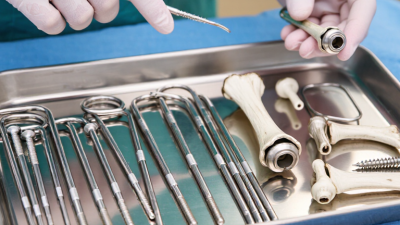
Spinal instruments are the tools surgeons use to access, prepare, stabilize, and close the spine. Retractors gently hold tissue aside, while probes help locate a path through bone. Taps prepare that path for screws; drivers insert screws, and rod holders guide connecting rods into position. Small details matter. A clear grip, balanced handle, and reliable tactile feedback can help a surgeon judge resistance in a confined space. Instruments support skilled decisions; they do not make those decisions.

Tool choice depends on the procedure, anatomy, and surgical approach. In a fusion, for example, the team may use instruments to prepare bone surfaces and place fixation hardware. AHRQ’s HCUP report on U.S. spinal-fusion procedures recorded an increase from 174,223 procedures in 1998 to 413,171 in 2008, a 137% rise. That historical figure describes procedure volume, not proof that fusion suits every patient. WHO’s 2023 low-back-pain fact sheet estimated that 619 million people experienced low back pain in 2020, with 843 million projected by 2050.

Before use, instruments are checked for function, cleanliness, and compatibility with the planned technique. Some systems include navigation tools that help display instrument position, but imaging and clinical judgment remain essential. Not every case needs every tool. That nuance matters. A poorly matched instrument can obstruct access or make a delicate maneuver harder, so teams plan and verify equipment before surgery.

The Main Categories of Instruments Used in Spinal Procedures

What Are the Best Spinal Instruments for 2026?

The Main Categories of Instruments Used in Spinal Procedures

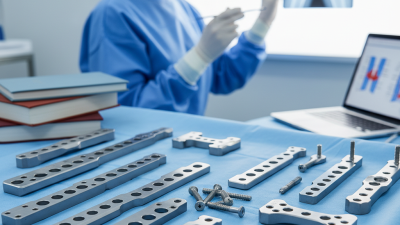
Spinal procedures use several instrument groups, each serving a different task. Exposure tools, such as retractors, help maintain a clear view of the surgical field. Bone-preparation instruments include drills, curettes, and rongeurs. For fixation, surgeons may use probes, taps, screwdrivers, and instruments for placing rods or plates. Cages and screws are implants, not instruments, though they are often discussed alongside them. Small details matter: a probe’s markings can help the team judge depth, while a stable retractor can reduce repeated adjustments.

AHRQ’s HCUP report, Most Frequent Operating Room Procedures Performed in U.S. Hospitals, 2018, counted about 456,000 inpatient spinal fusion procedures that year. That volume underscores why instrument selection and reliable workflows matter, but it does not prove one tool is best. Imaging equipment and navigation systems can support precise placement; neuromonitoring may help teams assess nerve function during selected procedures. These technologies complement, rather than replace, clinical judgment.

The appropriate set depends on the spinal level, approach, patient anatomy, and planned procedure. A tray can look complete and still slow a case if instruments are hard to identify or poorly matched to the task. That is worth reconsidering. Sterilization compatibility, handling, and team familiarity also deserve attention. Surgeons and clinical teams should evaluate instruments against current evidence and the needs of each procedure.

How to Assess Spinal Instruments for Safety and Performance

What Are the Best Spinal Instruments for 2026?
How to Assess Spinal Instruments for Safety and Performance

A strong assessment starts with the actual work: handling, visibility, fit, and reliable function under operating-room conditions. Check that instruments feel balanced in gloved hands, lock securely, and allow clear access to the surgical site. Inspect joints, tips, and surface finishes for rough edges, corrosion, or wear. Small defects matter. They can affect control, cleaning, or both.

Sterilization and maintenance deserve equal attention. Confirm that reusable instruments can be disassembled and cleaned according to their instructions, and that staff can identify damage before each use. The FDA’s MAUDE database collects medical-device adverse-event reports, but the agency cautions that reports may be incomplete and cannot establish event rates. Treat them as signals to investigate, not proof that one instrument is safer.

Teams also need repeatable checks. A 2009 WHO study across eight hospitals followed 7,688 patients: complications fell from 11% to 7% after introducing a surgical safety checklist, while inpatient deaths fell from 1.5% to 0.8%. The study tested a checklist, not spinal instruments; it supports disciplined verification, not a product ranking. No scorecard captures every awkward angle. Simulated use, staff feedback, cleaning validation, and documented maintenance can reveal issues that a catalog review misses. Keep the criteria visible, and revisit them after real cases.

What Are the Best Spinal Instruments for 2026? — How to Assess Spinal Instruments for Safety and Performance
Instrument category Typical role Performance assessment Safety assessment Evidence to review
Pedicle probes and feelers Create or assess a pathway for pedicle screw placement. Check tip geometry, handle control, tactile feedback, shaft rigidity, and visibility of depth markings where provided. Inspect for bending, burrs, cracks, loose components, and damage that could affect tactile assessment or instrument control. Device-specific instructions for use (IFU), inspection criteria, reprocessing instructions, and documented functional checks.
Pedicle taps and screwdrivers Prepare a screw pathway and insert or manipulate compatible spinal screws. Assess fit with the intended implant system, engagement reliability, handle ergonomics, and the ability to control insertion without unintended disengagement. Confirm compatibility and follow the specified use sequence. Check drive features for wear or deformation that could compromise engagement. Compatibility information, IFU, wear limits, cleaning instructions, and any applicable regulatory authorization for the intended market.
Rod holders, persuaders, and reducers Hold, align, or seat a spinal rod during construct assembly. Evaluate controlled movement, grip stability, access in the intended operative approach, and ease of release after use. Check locking and release mechanisms, moving joints, and contact surfaces. Verify that the instrument is used within its specified limits. IFU, maintenance and inspection guidance, compatibility details, and documented verification of locking or release functions.
Rod benders and contouring tools Shape a rod to the intended contour during spinal fixation procedures. Assess controllability, repeatability of bending, handle leverage, and whether the tool accommodates the specified rod dimensions and material. Inspect for cracks, deformation, sharp damage, or slipping contact points. Follow the implant and instrument instructions for permitted contouring. Instrument and implant IFUs, specified rod compatibility, inspection criteria, and any limits on bending or repeated contouring.
Kerrison rongeurs and other bone punches Remove small portions of bone or tissue in procedures where the instrument is indicated. Assess cutting action, jaw alignment, handle movement, and the consistency of the cutting edge under the manufacturer’s inspection method. Check jaw closure, spring function, sharp edges, and hinge condition. Handle and transport cutting instruments to reduce sharps injury risk. IFU, reprocessing instructions, inspection and maintenance guidance, and facility protocols for sharps handling.
Spinal drills and burrs Prepare or remove bone using a compatible powered handpiece and cutting accessory. Verify compatibility, secure attachment, intended speed range, balance, and operation according to the handpiece and accessory instructions. Inspect the accessory before use; use only specified combinations and follow applicable guidance for heat management and safe operation. Handpiece and accessory IFUs, compatibility lists, operating limits, and validated cleaning and sterilization instructions.
Retractors and tissue-protection instruments Provide and maintain access to the operative site while protecting surrounding tissues. Assess blade options, adjustability, stability, visibility, and suitability for the intended approach and patient anatomy. Check locking features, joints, blade edges, and secure positioning. Use according to the device instructions and clinical judgment. IFU, inspection guidance, reprocessing instructions, and information about available configurations and intended use.

How to interpret this comparison: There is no single “best” spinal instrument for every procedure or patient. Selection should be based on the intended use, compatibility with the planned implants and equipment, clinician training, and facility requirements. Review the current device-specific IFU and applicable regulatory status for the market where the instrument will be used. Regulatory authorization does not, by itself, establish that one instrument performs better than another.

Key Factors in Choosing Instruments for Different Spinal Surgeries

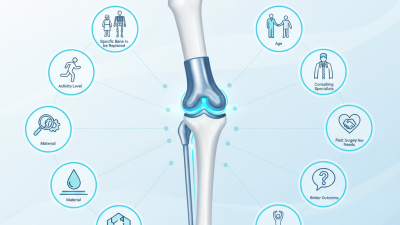
Choosing spinal instruments starts with the procedure, not the catalog. Lumbar decompression needs fine punches and nerve-root retractors that allow controlled work in a narrow field. Fusion adds pedicle-screw drivers, taps, rod holders, and imaging-compatible tools. Anterior cervical surgery calls for stable retractors and precise trial spacers; deformity correction may require stronger rod-contouring and reduction instruments. AHRQ’s HCUP report recorded 413,171 U.S. spinal-fusion hospitalizations in 2008, compared with 174,223 in 1998. That historical rise shows how varied fusion workloads became; it is not a forecast for 2026. Fit matters. Match instrument reach and grip to the approach, patient anatomy, and expected bone quality. I still find tray weight easy to overlook.

Tips: Before a case, confirm implant-instrument compatibility, sterilization instructions, and backup sizes. A handle that feels fine in a dry room may be awkward through a small incision. Ask the team to check the full sequence on the tray, not just the primary tools. AHRQ, HCUP Statistical Brief #77, Spinal Fusion in the United States, 1998–2008, provides the hospitalization figures cited above. For final selection, use current clinical guidance and the device’s validated instructions for use.

Emerging Designs and Technologies Shaping Spinal Instruments in 2026

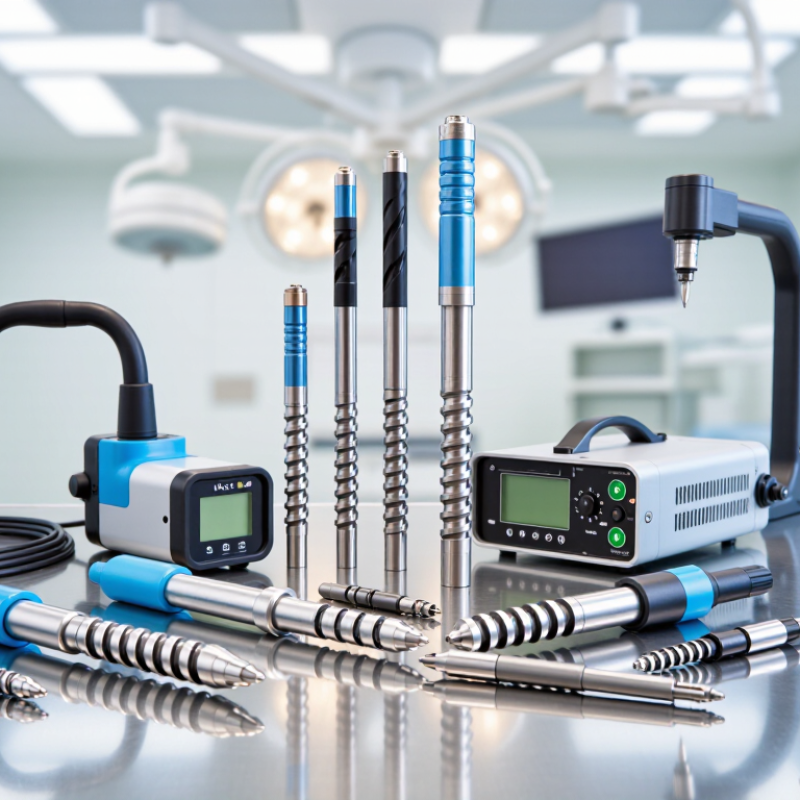
In 2026, spinal instruments are evolving toward greater precision, clearer feedback, and less disruptive workflows. Slimmer reamers and modular tools can help surgeons work through narrow corridors while preserving access to the operative site. Some systems pair instruments with navigation or robotic guidance, helping teams compare a tool’s position with preoperative images. These technologies support decision-making; they do not replace surgical judgment. Small design choices matter, too. A textured handle can improve grip when gloves are wet, while clear depth markings may be easier to read under operating-room lights.

Material development and instrument tracking are also shaping the field. Durable alloys and carefully tested surface finishes can support repeated use, but performance depends on validated cleaning and inspection processes. Digital tracking may help teams identify instruments and manage sets, yet extra screens or setup steps can add pressure during a busy procedure. There is no perfect instrument. Even promising designs need independent evidence, staff training, and evaluation across different patients and surgical settings.

Tips: Compare instruments by task, not novelty. Check visibility, balance, compatibility with imaging, and ease of cleaning. Ask how the team will respond if digital guidance becomes unavailable. A brief hands-on trial can reveal awkward controls that product descriptions may miss. Some details are easy to overlook.