What Are Orthopedic Implants and Instruments?

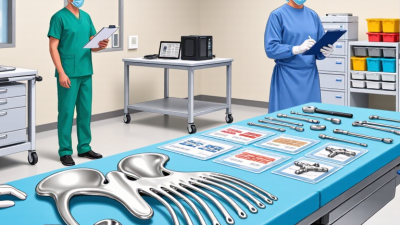
Orthopedic implants and instruments support the diagnosis, treatment, and recovery of musculoskeletal conditions. Implants include plates, screws, joint replacements, spinal cages, and intramedullary nails. Surgeons place these devices inside or against bone to restore alignment, stability, or movement. Instruments remain outside the body during most procedures. They include drills, saws, retractors, guides, impactors, and measuring tools. Each instrument has a specific purpose and requires controlled handling.

The phrase orthopedic implants instruments often describes this connected system of devices. Understanding the difference matters because implants remain in the patient, while instruments help surgeons position them accurately. Materials may include titanium alloys, cobalt-chromium alloys, stainless steel, ceramics, or advanced polymers. Design choices depend on anatomy, load, tissue response, surgical technique, and patient needs. A hip stem must transfer forces safely. A bone plate must provide stability without unnecessarily damaging soft tissue.

Clinical teams assess these products through engineering data, sterilization processes, biocompatibility evidence, and applicable regulatory requirements. However, no device is suitable for every patient. That point deserves emphasis. Surgical results also depend on bone quality, technique, rehabilitation, and individual healing. Terminology can remain confusing, even for informed readers. This guide explains the essential categories, functions, materials, and safety considerations in practical language. It does not replace advice from a qualified orthopedic professional. Understanding the technology can support better questions during consultations and encourage more informed healthcare decisions.
What Are Orthopedic Implants and Instruments?

What Orthopedic Implants and Instruments Are

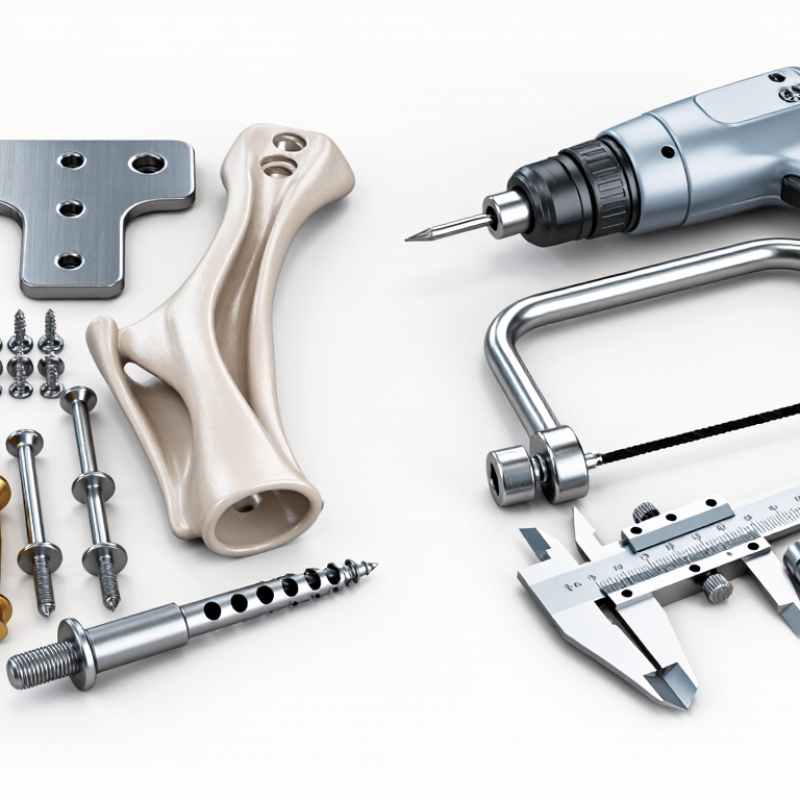
Orthopedic implants are medical devices placed inside the body to support, replace, or stabilize damaged bones and joints. Common examples include plates, screws, intramedullary nails, spinal cages, and artificial joint components. Their shapes, materials, and sizes depend on the injury, anatomy, bone quality, and surgical plan. A small screw may hold a fractured wrist, while a joint component may restore movement in a hip or knee.

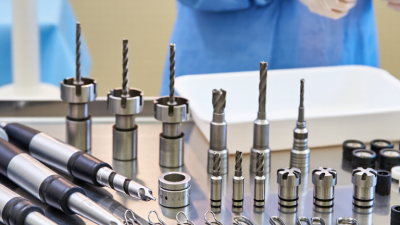
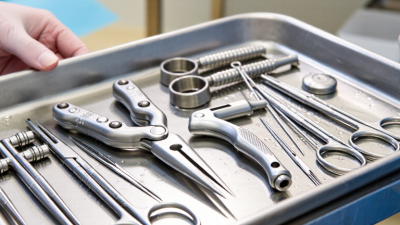
Orthopedic instruments help surgeons prepare tissue and position implants accurately. These tools include drills, guide wires, bone saws, reamers, retractors, trial components, and torque-limiting handles. Each instrument has a specific role. A guide may control the drilling angle, while a trial implant helps the surgeon assess fit before permanent placement. Sterile processing, instrument inspection, and imaging support safe use during surgery.

Good outcomes require more than choosing strong hardware. Surgeons must consider alignment, soft-tissue balance, blood supply, and the patient’s daily demands. Even experienced teams can encounter unexpected bone weakness or limited visibility. That reality requires careful judgment and adjustment. Implants are not permanent guarantees. Healing, rehabilitation, and follow-up appointments also influence function. The best choice is usually the one that fits the patient, the procedure, and the surrounding anatomy—not simply the largest or most complex device.

What Are Orthopedic Implants and Instruments?

Orthopedic implants are medical devices used to stabilize, replace, or support bones and joints. Orthopedic instruments help surgeons prepare bone, position implants, and complete fixation procedures.

The chart compares representative Young’s modulus values for materials commonly associated with orthopedic implants and instruments. Actual values vary by alloy, manufacturing process, and material grade. Cortical bone is included as a biological reference.

How Orthopedic Implants Support Bones and Joints

What Are Orthopedic Implants and Instruments?

Orthopedic implants support damaged bones and joints when natural structures cannot carry normal loads. Plates, screws, rods, and fixation systems help stabilize fractures. Joint implants replace worn surfaces in the hip, knee, shoulder, or ankle. Their purpose is practical: restore alignment, reduce painful movement, and help patients regain daily function. Fit matters.

Implants transfer force through bone, so design and placement are critical. A plate may act like an internal splint while bone heals. A joint replacement uses smooth bearing surfaces to reduce friction during walking. Surgical instruments guide these steps, including drills, saws, alignment tools, and trial components. Small positioning errors can change comfort, stability, and implant loading. That detail is easy to underestimate.

The World Health Organization reports that approximately 1.71 billion people live with musculoskeletal conditions worldwide (WHO, 2022). The American Joint Replacement Registry’s 2024 Annual Report included more than 3.4 million hip and knee procedures, showing the scale of modern joint reconstruction. Yet an implant is not a permanent guarantee. Bone quality, activity, infection risk, surgical technique, and long-term wear all influence outcomes. Some patients improve quickly; others need months of rehabilitation. The evidence is strong, but it is not perfect. Better data, careful follow-up, and honest discussions about risk remain essential.

Main Types of Orthopedic Implants

What Are Orthopedic Implants and Instruments?

Main Types of Orthopedic Implants

Orthopedic implants replace, support, or stabilize damaged bones and joints. The main types include joint replacements, fracture fixation devices, spinal implants, and sports medicine implants. Hip and knee replacements use components that recreate joint movement. Fracture devices include plates, screws, nails, and wires. Spinal implants may include cages, rods, and pedicle screws. Small anchors can reattach damaged tendons or ligaments.

The need is substantial. The World Health Organization reports that musculoskeletal conditions affect about 1.71 billion people worldwide. The United Nations World Population Prospects 2022 also projects that one in six people will be over 60 by 2030. This demographic shift may increase demand for joint reconstruction and fracture care. OECD Health at a Glance 2023 shows wide differences in joint replacement rates between countries, suggesting that access matters as much as clinical need.

Material choice is equally important. Titanium alloys support bone integration, while cobalt-chromium and ceramic surfaces may reduce wear in selected joint applications. Surgical instruments must provide controlled cutting, drilling, insertion, and alignment. Their design affects accuracy and operating time. Yet implant selection is never a simple checklist. Bone quality, activity level, infection risk, imaging results, and surgeon experience all matter. A perfect implant does not exist. Even well-planned procedures can face loosening, fracture, stiffness, or revision surgery. That uncomfortable detail deserves more attention.

Common Instruments Used in Orthopedic Procedures

Orthopedic implants are devices placed inside or on the body to support healing, restore alignment, or replace damaged bone and joints. Instruments make that work possible. They help surgeons examine tissue, prepare bone, position implants, and confirm stability during an operation.

A scalpel opens the surgical field, while retractors hold tissue away from the working area. Bone-holding forceps can steady a fracture during reduction. Guidewires mark the intended path for later drilling or screw placement. Drills create controlled openings, and reamers enlarge them to the required diameter. Saws and osteotomes remove or shape bone with careful, measured movements. Depth gauges help determine screw length, while screwdrivers and torque-limiting handles support accurate fixation.

Small tools matter.

In joint procedures, broaches prepare the canal for a prosthetic component. Trial implants allow the surgical team to assess movement, balance, and fit before final placement. Fluoroscopic imaging may help verify alignment, but instruments still require skilled handling and constant visual judgment. Every tool must be inspected, sterilized, and matched to the procedure. A damaged tip or inaccurate measurement can affect the result. Even experienced teams may reconsider an instrument choice when bone quality, swelling, or visibility changes unexpectedly. No single instrument works perfectly in every case. Surgical plans should remain precise, but not rigid.

What Are Orthopedic Implants and Instruments? - Common Instruments Used in Orthopedic Procedures
Category Instrument or Implant Primary Function Typical Size or Dimension Common Material Typical Orthopedic Application
Cutting Instrument Oscillating Bone Saw Creates controlled cuts through bone during osteotomy, joint replacement, and fracture procedures. Blade length commonly ranges from approximately 25–100 mm; blade thickness is often about 0.5–1.0 mm. Hardened stainless steel Total knee replacement, bone correction, trauma surgery, and revision procedures.
Drilling Instrument Orthopedic Drill Creates holes for screws, pins, guidewires, and other fixation components. Typical drill-bit diameters range from approximately 1.0–6.5 mm, depending on the fixation system. Stainless steel or carbide-tipped metal Fracture fixation, spinal surgery, sports medicine, and implant preparation.
Preparation Instrument Reamer Enlarges or shapes a bone canal or joint surface to receive an implant. Intramedullary reamers commonly range from approximately 8–20 mm in diameter; acetabular reamers may range from about 44–72 mm. Stainless steel with cutting flutes Hip arthroplasty, intramedullary nailing, and preparation of bone canals.
Bone Preparation Rongeur Removes small pieces of bone or reshapes bone edges using a hinged jaw. Common jaw lengths are approximately 2–6 mm for small bone work and 6–12 mm for larger bone removal. Stainless steel Spinal decompression, hand surgery, foot and ankle surgery, and general bone trimming.
Grasping Instrument Bone-Holding Forceps Stabilizes bone fragments while reduction, drilling, or fixation is performed. Overall lengths commonly range from approximately 150–300 mm, with jaw openings varying by design. Stainless steel Fracture reduction and temporary stabilization of long-bone or periarticular fractures.
Reduction Instrument Reduction Clamp Aligns and temporarily holds fractured bone fragments in anatomical position. Common overall lengths range from approximately 180–300 mm; curved and pointed jaw designs are available. Stainless steel Open reduction and internal fixation of femoral, tibial, pelvic, and upper-extremity fractures.
Impacting Instrument Orthopedic Mallet Delivers controlled impact to seat implants, broaches, osteotomes, or other instruments. Typical head weights range from approximately 250–900 g; handle lengths commonly range from 200–350 mm. Stainless steel, silicone, or polymer striking surfaces Joint replacement, osteotomy, bone preparation, and implant insertion.
Implant Preparation Broach Shapes cancellous bone to match the geometry of a press-fit implant. Femoral broach sizes commonly progress in approximately 1–2 mm increments; implant-specific dimensions vary. Stainless steel or titanium alloy Preparation of the femoral canal during total hip arthroplasty.
Fixation Instrument Screwdriver and Depth Gauge Inserts fixation screws and measures hole depth to help select the appropriate screw length. Common orthopedic screw diameters include approximately 2.0–7.3 mm; depth gauges often measure up to 60–100 mm. Stainless steel Plate fixation, intramedullary fixation, spinal fixation, and small-bone surgery.
Implant Bone Plate Provides stabilization and load sharing across a fracture or osteotomy. Common plate lengths range from approximately 40–300 mm; thickness often ranges from about 1.0–6.0 mm. Titanium alloy or cobalt-chromium alloy Internal fixation of fractures, corrective osteotomies, and reconstruction procedures.
Implant Orthopedic Screw Compresses, secures, or anchors bone fragments and other orthopedic implants. Typical diameters range from approximately 1.5–7.3 mm; lengths commonly range from 6–120 mm. Titanium alloy or stainless steel Fracture fixation, ligament or tendon fixation, spinal procedures, and joint reconstruction.
Implant Intramedullary Nail Stabilizes fractures from within the medullary canal and helps restore alignment. Adult nail diameters commonly range from approximately 8–18 mm; lengths often range from 180–500 mm. Titanium alloy or stainless steel Femoral, tibial, humeral, and selected forearm fracture fixation.
Joint Replacement Implant Artificial Joint Component Replaces damaged joint surfaces and restores joint motion and load transfer. Size depends on the joint and anatomy; femoral head diameters commonly range from approximately 22–อด mm, while acetabular components often range from about 44–72 mm. Titanium alloy, cobalt-chromium alloy, ceramic, and ultra-high-molecular-weight polyethylene Hip, knee, shoulder, and other joint replacement procedures.
Dimensions are representative clinical ranges rather than universal specifications. Actual sizes depend on patient anatomy, surgical technique, implant system, and procedure requirements.

Materials, Selection, and Clinical Applications

What Are Orthopedic Implants and Instruments?

Materials, Selection, and Clinical Applications

Orthopedic implants replace, support, or stabilize damaged bone and joints. Common materials include titanium alloys, cobalt-chromium alloys, ceramics, and ultra-high-molecular-weight polyethylene. Each material behaves differently under repeated loading. Titanium is relatively light and promotes bone attachment. Cobalt-chromium offers high wear resistance. Ceramic surfaces can reduce friction, but they remain sensitive to design and alignment. Material choice is never automatic.

Instrument selection is equally important. Surgeons may use cutting guides, reamers, trial components, drills, reduction tools, and navigation systems. These instruments help restore alignment and control soft-tissue tension. In the operating room, a trial implant may reveal that a few millimeters affect stability or leg length. Small details matter.

Clinical decisions depend on anatomy, bone quality, activity level, infection risk, imaging, and fixation strategy. Joint replacement, spinal reconstruction, fracture fixation, and sports injury treatment require different systems. The 2024 National Joint Registry report recorded more than 3.5 million hip and knee procedures since 2003 across England, Wales, and Northern Ireland. That scale supports evidence-based planning, but registry data cannot capture every patient concern or surgical nuance. The American Joint Replacement Registry also emphasizes long-term tracking of revision risk and implant survivorship. Still, published averages may not predict one person’s recovery. Surgeons must balance established evidence with intraoperative findings, and that judgment can be imperfect.