
What Are Surgical Steel Implants Used For?
What are surgical steel implants used for? The answer begins with fracture care, but it extends beyond broken bones. Surgical steel implants commonly include plates, screws, wires, pins, and temporary fixation rods. Surgeons use them to stabilize fractured wrists, ankles, hips, jaws, and long bones. These devices hold bone fragments in alignment while new tissue forms.
The need is substantial. The World Health Organization reports that musculoskeletal conditions affect approximately 1.71 billion people worldwide. However, not every patient needs an implant. Treatment depends on fracture pattern, bone quality, age, infection risk, and expected activity. That judgment matters.
Most surgical steel implants use medical-grade stainless steel, including 316L or 316LVM alloys. Their strength, availability, and manufacturing consistency support demanding orthopedic procedures. FDA guidance and ASTM F138 standards address material composition, mechanical performance, and biological safety. Those controls help, but they do not make steel risk-free. Nickel sensitivity, corrosion, infection, and stress shielding remain important concerns.
Dr. David F. Williams, a respected biomaterials scientist, defined a biomaterial as “a material intended to interface with biological systems.” His definition explains the central challenge. Surgical steel implants must support damaged anatomy without creating a new biological problem.
Some implants remain permanently. Others are removed after healing, especially in children or when discomfort develops. Clinical follow-up decides that question.
The material is strong. The decision is personal. Carefully selected surgical steel implants can restore stability, movement, and confidence, but outcomes depend on surgical technique, patient health, and rehabilitation. Even this explanation needs caution: implant choice should always follow individualized medical assessment, not marketing claims or general statistics.

What Surgical Steel Implants Are and How They Work
What Are Surgical Steel Implants Used For?
Surgical steel implants are medical devices placed inside the body to support healing or replace damaged structures. Many are made from implant-grade stainless steel, often containing iron, chromium, and nickel. A thin protective oxide layer helps the metal resist corrosion in the moist body environment.
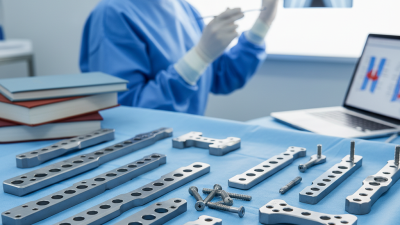
Orthopedic surgeons commonly use steel plates, screws, pins, wires, and rods to stabilize broken bones. These implants hold bone fragments in correct alignment while new bone grows around them. A plate may sit along a forearm, with small screws pressing it firmly against the bone. Rods can support longer bones, such as the femur. Some devices remain permanently, while others are removed after healing.
The material must balance strength, flexibility, and tissue compatibility. It should carry mechanical loads without failing or releasing harmful particles. Surgical teams also consider implant size, fracture location, bone quality, age, activity level, and possible allergies. Nickel sensitivity matters for some patients, although serious reactions are uncommon.
Steel does not heal the bone itself. It provides temporary mechanical support. Healing still depends on blood supply, nutrition, stable fixation, and careful follow-up. The body’s response can vary, and no implant is perfect. Infection, loosening, breakage, discomfort, or delayed healing may occur. Imaging can also show small artifacts around the metal. A qualified surgeon must decide whether steel is suitable for a specific patient.
What Are Surgical Steel Implants Used For? – What Surgical Steel Implants Are and How They Work
| Implant Category | Common Uses | How It Works | Key Material Characteristics | Typical Benefits | Important Considerations |
|---|---|---|---|---|---|
| Bone Plates | Stabilizing fractures of the arm, leg, wrist, ankle, shoulder, and other bones. | The plate is fixed to the bone with screws and helps hold the fracture fragments in alignment while healing occurs. | Usually made from implant-grade stainless steel with high strength, stiffness, and corrosion resistance. | Provides rigid support and helps maintain bone position during healing. | May require later removal in selected cases if irritation, infection, or other complications develop. |
| Bone Screws | Securing plates, joining fracture fragments, attaching small bone fragments, or providing fixation during orthopedic procedures. | Threads grip the bone and generate compression or stabilization, depending on the screw design and surgical technique. | Designed to resist loosening, bending, and twisting forces within the limits of the implant and bone. | Available in different diameters, lengths, and thread patterns for varied bone conditions. | Placement must avoid nerves, blood vessels, joints, and excessive damage to the bone. |
| Intramedullary Nails | Treating fractures of long bones such as the femur, tibia, and humerus. | The nail is placed inside the bone’s medullary canal and may be locked with screws to control rotation and shortening. | Offers substantial resistance to bending because the implant lies near the mechanical axis of the bone. | Can provide stable internal support while allowing controlled weight bearing in many cases. | Insertion and removal require specialized surgical instruments and careful management of the fracture. |
| Spinal Rods and Screws | Supporting spinal fusion and correcting or stabilizing selected spinal deformities and injuries. | Screws anchor into the vertebrae and connect to rods, helping maintain alignment while bone fusion develops. | Must tolerate repeated loading and provide reliable fixation in a mechanically demanding area. | Can help restore spinal alignment and reduce movement at an unstable spinal segment. | Fusion success depends on bone quality, surgical technique, patient health, and postoperative care. |
| Wires and Cables | Fixing small bone fragments, supporting cerclage procedures, and assisting with temporary or supplemental stabilization. | They encircle or connect bone fragments and apply tension to help maintain position. | Flexible compared with plates and rods, while offering useful tensile strength. | Useful where bone fragments are small or where a low-profile fixation method is needed. | Can irritate surrounding soft tissue or lose tension if not applied correctly. |
| Joint Replacement Components | Replacing damaged joint surfaces in procedures such as hip or knee replacement. | Metallic components recreate joint surfaces and transfer load while allowing controlled movement. | Requires wear resistance, strength, corrosion resistance, and compatibility with surrounding tissues. | May relieve pain and improve joint function when a severely damaged joint is replaced. | Joint replacements commonly use multiple material types; stainless steel is not suitable for every long-term joint application. |
| Bone Staples and Clips | Holding small bones or bone fragments together, including selected hand, foot, and fusion procedures. | The implant applies compression across a joint or fracture site to support bone healing. | Small, strong, and shaped for targeted fixation in confined anatomical areas. | Low-profile design can reduce prominence beneath the skin compared with larger fixation systems. | Use depends on the size of the bone, fracture pattern, alignment requirements, and bone quality. |
| Dental and Maxillofacial Fixation | Repairing facial fractures and stabilizing selected jaw or facial bone procedures. | Small plates, screws, or wires hold facial bones in the intended position while healing takes place. | Requires biocompatibility, adequate strength, precise sizing, and resistance to body-fluid corrosion. | Enables accurate alignment of facial bones and may support restoration of chewing or facial structure. | Implant selection must account for the oral environment, soft-tissue coverage, and proximity to teeth and nerves. |
| Temporary External-Fixation Pins | Providing temporary stabilization for complex fractures, open injuries, or swollen soft tissues. | Pins pass through the skin into bone and connect to an external frame that maintains alignment. | Designed for strength and tissue compatibility during temporary or staged treatment. | Allows access to injured soft tissue and can be placed relatively quickly in urgent situations. | Pin-site care is essential because infection can develop along the path between the skin and bone. |
| General Safety and Material Notes | Applies to all surgical steel implant applications. | The implant provides mechanical support; the body’s healing response and, in some procedures, bone fusion provide long-term biological support. | Implant-grade stainless steels are selected for strength, corrosion resistance, and tissue compatibility; composition and performance vary by medical grade. | Can provide dependable fixation when correctly selected, sterilized, positioned, and monitored. | Possible risks include infection, allergic or hypersensitivity reactions, loosening, breakage, corrosion, nonunion, and the need for revision surgery. |
Related Posts
-
What Are Orthopedic Implants and Instruments?
-

How to Choose the Right Orthopedic Plates?
-

Digital Tips for Care and Maintenance of Surgical Steel Implants?
-

Top 10 Implant Stainless Steel Trends at 2026 Canton Fair?
-

10 Essential Tips for Choosing the Right Implant Instruments
-
How to Choose the Right Locking Plate for Your Medical Needs?