2026 How to Choose the Best Orthopedic Screw for Your Needs?
Choosing the right orthopedic screw is crucial for successful surgical outcomes. The selection process can be overwhelming, given the variety of screws available in today's market. An orthopedic screw must fulfil specific criteria, such as material strength, thread design, and size, tailored to individual patient needs.
When evaluating options, consider the surgical procedure's requirements and specific bone types. Some screws are designed for soft tissue stabilization, while others focus on fracture fixation. The right screw can enhance healing and reduce complication risks. Testing different screws may lead to frustrating results, and not every choice will be ideal. It’s vital to rely on trusted medical sources and expert opinions during this process.
Professional knowledge plays a key role in making informed decisions. Surgeons must weigh factors like biocompatibility and ease of insertion. However, personal experiences and patient feedback can shape these choices. Navigating the complexities of orthopedic screws can be daunting, but quality resources will guide you toward the best fit for your needs.
Understanding the Different Types of Orthopedic Screws Available
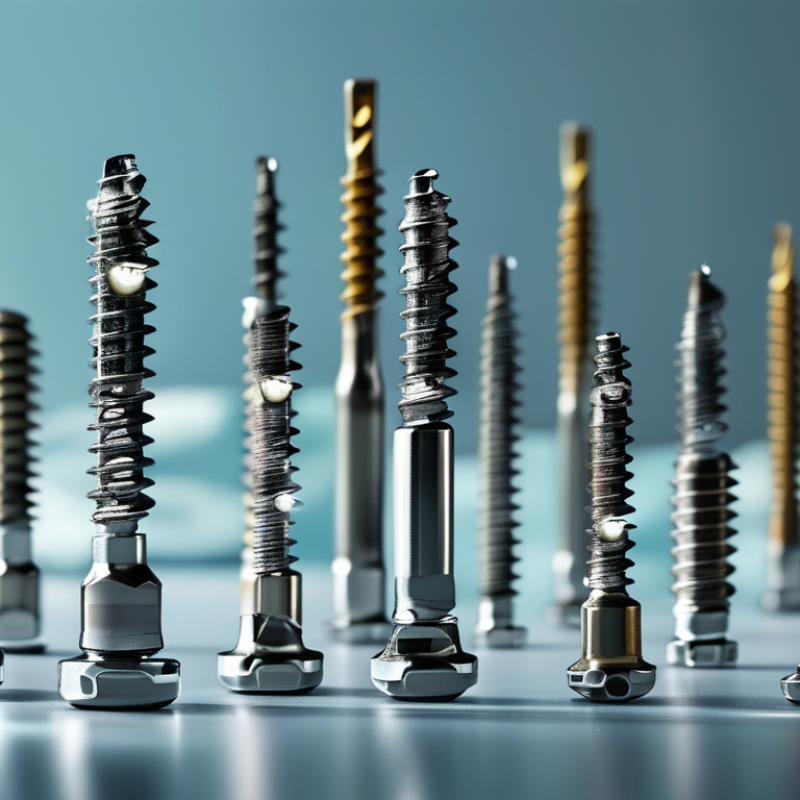
When selecting orthopedic screws, it's crucial to understand the various types available. These screws play a vital role in stabilizing bones after fractures or surgeries. Common types include cortical screws, cancellous screws, and locking screws, each with distinct applications. According to a recent industry report, about 70% of orthopedic surgeries involve the use of screws, emphasizing their importance in ensuring patient recovery.
Cortical screws are designed for use in dense bone. They allow for maximum fixation strength. On the other hand, cancellous screws are specifically used in softer, spongy bone. They provide excellent engagement in fragile bone structures. Locking screws offer increased stability by connecting with a plate, making them ideal for complex fractures. Understanding these types helps in choosing the right solution for each patient’s unique needs.
Tips: Always consult with an orthopedic specialist. Their expertise ensures appropriate screw selection. Additionally, consider the patient's age and bone quality. They can significantly influence the screw type required. Evaluating these factors contributes to better surgical outcomes, though imperfect choices can lead to complications. Be mindful of the learning curve involved in mastering screw selection and its impact on recovery.
Factors to Consider When Selecting Orthopedic Screws
Choosing the right orthopedic screw is critical for successful surgical outcomes. Several factors influence this decision.
Material type is one of the key considerations.
Titanium screws offer superior biocompatibility and strength. In contrast, stainless steel is more affordable but may not bond with bone as effectively.
Research shows that titanium screws reduce infection rates by over 30%.
Another important factor is the screw design. The thread pattern impacts the screw's ability to grip bone. Some designs provide enhanced stability for compromised bones.
A study published in the Journal of Orthopedic Research highlighted that innovative thread designs could increase load strength by 15%.
Tips: Always consider the patient's specific needs. A patient's age and bone density affect screw choice. For younger patients, rigid fixation may be necessary.
For older patients, softer screws could minimize fracture risks. Ensure that your choice aligns with the surgical procedure being performed.
Keep in mind that no one solution fits all scenarios. Biomechanical properties vary among patients. Surgeons often make choices based on experience, which might not always correlate with the latest research.
Engaging in ongoing education about screw technology can bridge this gap. Making informed decisions boosts surgical success rates significantly.
The Role of Material Composition in Orthopedic Screws
When choosing orthopedic screws, material composition is critical. The most common materials include titanium, stainless steel, and bioresorbable polymers. Each has its unique properties that affect performance and compatibility with the body. Titanium is lightweight, strong, and corrosion-resistant. It integrates well with bone, reducing the risk of rejection. However, it may not provide the same stiffness as stainless steel, which excels in load-bearing situations.
Bioresorbable screws are fascinating. They dissolve over time, eliminating the need for a second surgery. While this sounds ideal, their mechanical strength may weaken before bone healing is complete. This requires careful evaluation. Surgeons must weigh the benefits of reduced hardware removal against potential complications.
Material choice also influences the healing process. Different materials can cause varied inflammatory responses. It's essential to consider individual patient factors. Only through thorough analysis can the most suitable material be selected. In practice, challenges exist. Constantly evolving technology means that new materials are frequently emerging. What works for one patient may not be best for another, demanding ongoing research and adaptation.
Evaluating Screw Sizes and Lengths for Optimal Fit
Choosing the right orthopedic screw can significantly affect the success of surgical procedures. Evaluating screw sizes and lengths is crucial for achieving an optimal fit in the targeted area. When considering screw sizes, take into account both the diameter and the length. A screw too short may not provide adequate support, while one that is too long could damage surrounding tissues. This balance is essential for a successful outcome.
Tips: Always consult with a medical professional before making decisions. They can provide insights tailored to individual cases, ensuring the best choice for your needs.
The material of the screw also matters. Titanium is lightweight yet strong, making it a popular choice. However, some cases may require stainless steel for extra durability. Reflect on the specific requirements of each case, as not every material fits all situations.
In addition, think about the surgical technique involved. Certain screw types align better with specific techniques. Some surgeries might require screws that are self-tapping, while others need those that are pre-tapped. This detail could influence the ease of insertion and healing rates.
Consulting with Healthcare Professionals for Personalized Recommendations
Choosing the right orthopedic screw is not a simple task. It requires a thoughtful approach and guidance from professionals. Each patient's needs are unique. Different scenarios demand different solutions. Consulting with healthcare providers is essential for personalized recommendations. Their expertise can clarify which type of screw best suits your situation.
Healthcare professionals consider various factors. They review your medical history, current health, and surgery specifics. Their insights can ease the decision-making process. You might have questions about materials and designs. Often, professionals can provide clarity. They know which options offer the best stability and healing potential.
Communication is key. Don't hesitate to ask questions. Consider discussing past surgeries, potential risks, and expected outcomes. It's natural to feel uncertain. You should feel empowered to engage in your treatment decisions. Collaboration with your healthcare team builds trust and enhances your overall care.