Why Choose an Orthopedic Prosthesis for Better Mobility?
Choosing an orthopedic prosthesis can reshape how a person walks, works, and participates in daily life. For someone with limb loss or severe joint damage, mobility may begin with small victories: standing beside a kitchen counter, taking a careful step, or reaching the mailbox. A well-fitted device can support these moments and improve confidence over time.
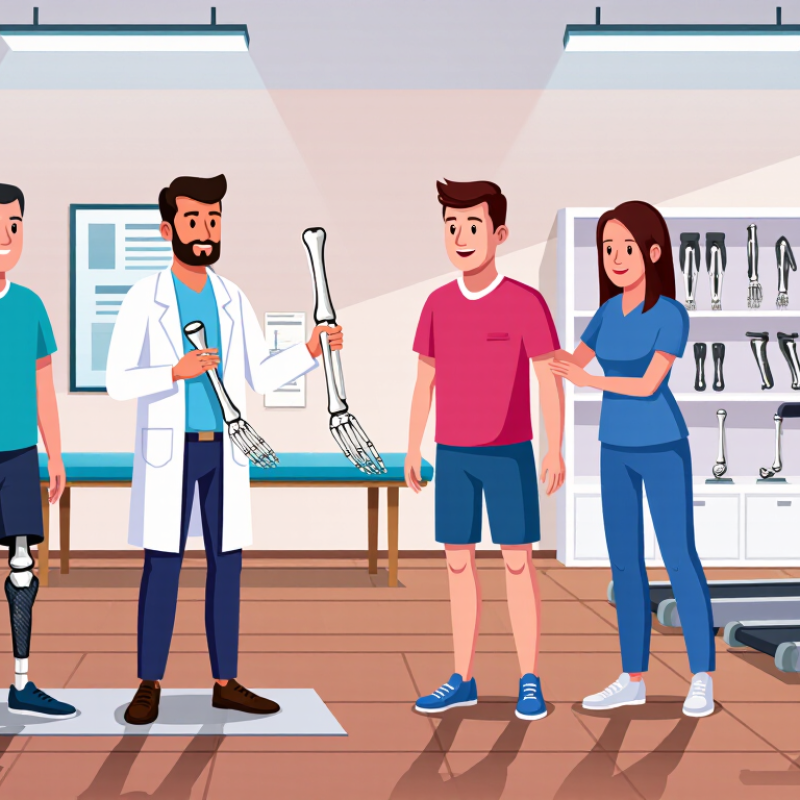
The decision should involve an orthopedic surgeon, prosthetist, physical therapist, and the patient. Each professional contributes different expertise. Medical history, muscle strength, skin condition, balance, lifestyle, and personal goals all influence the recommendation. A recreational walker may need different features from someone returning to manual work. Modern materials can reduce weight and improve comfort, but technology alone does not guarantee better movement. Fit matters greatly.
An orthopedic prosthesis also requires patience, adjustment, and regular review. Pressure points may appear after a long day. Gait patterns may feel unnatural at first. Rehabilitation helps users build strength, coordination, and safe habits, while follow-up appointments address changes in the residual limb. Results differ, and that reality deserves honest attention. Some users adapt quickly; others need months of practice or a revised design. Even experienced clinicians cannot predict every outcome perfectly.
This article examines why people choose an orthopedic prosthesis for better mobility. It considers clinical evidence, real-world comfort, maintenance, cost, and long-term goals. The aim is not to promise effortless movement, but to explain how informed care can support safer, more independent living.
Map Mobility Loss: 1.71 Billion People Have Musculoskeletal Conditions (WHO)
Why Choose an Orthopedic Prosthesis for Better Mobility?
Mobility loss is a global health issue, not an isolated clinical problem. The World Health Organization reports that 1.71 billion people live with musculoskeletal conditions worldwide. Low back pain affects about 619 million people, according to the Global Burden of Disease Study 2021. These figures show how pain, weakness, and restricted movement can shape daily life.
An orthopedic prosthesis may help replace lost function after amputation, severe joint damage, or traumatic injury. A well-fitted device can support standing, walking, and controlled movement. It may also reduce dependence during simple tasks, such as climbing stairs or carrying a cup. The process requires more than choosing a mechanical component. Clinicians assess muscle strength, skin condition, balance, occupation, and home environment.
Fit matters greatly.
Clinical experience suggests that realistic goals often improve long-term use. A prosthesis is not a magic reset. Some users need repeated alignment changes, gait training, or emotional support. The WHO emphasizes rehabilitation and assistive technology as essential parts of musculoskeletal care. The Global Burden of Disease Study also projects that low back pain could affect 843 million people by 2050. That projection deserves reflection: better mobility depends on devices, professional follow-up, and patient participation together.
Understand Prosthesis Types Through Biomechanics, Fit, and Functional Needs
Why Choose an Orthopedic Prosthesis for Better Mobility?
Choosing an orthopedic prosthesis begins with biomechanics, not appearance. Each design changes how force travels through the body during standing and walking. A transtibial prosthesis may support efficient movement, while a transfemoral design requires stronger hip control. Upper-limb prostheses also differ widely in grip, weight, and control method. The best option depends on muscle strength, joint movement, balance, work demands, and daily routines.
Fit is equally important. A socket should hold the residual limb securely without creating sharp pressure points. During assessment, clinicians observe walking speed, step length, posture, and skin response. Small alignment changes can reduce hip strain or improve stability on stairs. Comfort may change throughout the day because heat, swelling, and activity affect the fit. No fitting is perfect on day one. That part is often underestimated.
Tips: Bring the shoes and clothing you use most often. Describe pain precisely, including its location, timing, and intensity. Ask for gait training and follow-up adjustments. A prosthesis that works well in a clinic may feel different on wet pavement, uneven ground, or a crowded bus. Functional goals should guide component selection, but personal preference matters too. Sometimes the “ideal” design is not the most practical choice. Regular skin checks and honest feedback help clinicians refine the fit safely.
Compare Mobility Outcomes Using the 6-Minute Walk Test (ATS Standard)
Why Choose an Orthopedic Prosthesis for Better Mobility?
The 6-Minute Walk Test offers a practical way to compare mobility after orthopedic prosthetic fitting. Under the American Thoracic Society standard, the patient walks along a 30-meter corridor for six minutes. The assessor records total distance, pauses, symptoms, and assistance. Small details matter. The same shoes, walking aid, corridor, and prosthetic alignment should be used during every assessment. Otherwise, the comparison becomes weaker.
A longer walking distance can indicate better endurance, confidence, and daily movement capacity. However, the result does not prove that one prosthesis suits everyone. Rehabilitation stage, residual-limb comfort, muscle strength, balance, and pain can change the score. Systematic reviews of lower-limb prosthetic rehabilitation report wide outcome variation, so universal targets remain unreliable. That limitation deserves attention.
Standardized Testing Matters
Clinicians should follow the ATS instructions, including standardized encouragement and consistent pacing guidance. They should compare baseline and follow-up distances, not isolated numbers. A 20-meter improvement may be meaningful for one patient but modest for another. The ATS guidance also supports documenting rest periods and adverse symptoms, which adds clinical context. One test can mislead. Repeating it under controlled conditions is more dependable.
Professional assessment should combine the 6-Minute Walk Test with gait observation, stair performance, patient-reported comfort, and skin checks. A prosthesis that produces a strong test score but causes pressure after ten minutes needs reconsideration. Mobility is measurable, but never purely numerical.
References: American Thoracic Society Committee on Proficiency Standards for Clinical Pulmonary Function Laboratories, 2002; systematic reviews of lower-limb prosthetic rehabilitation outcomes.
Plan Rehabilitation: Track Progress With the Timed Up-and-Go Test (CDC)
Why Choose an Orthopedic Prosthesis for Better Mobility?
After orthopedic prosthesis surgery, mobility should be measured, not guessed. The Timed Up-and-Go test offers a practical way to track functional change. A patient rises from a chair, walks three meters, turns, returns, and sits down. The CDC’s STEADI guidance identifies 12 seconds or more as a potential fall-risk indicator. This threshold supports clinical screening, but it does not diagnose every mobility problem.
Rehabilitation teams should record the time, walking aid, footwear, pain level, and assistance required. Use the same chair and route each time. Test under supervision when balance is uncertain. A slower result may reflect fear, fatigue, or poor turning control, rather than prosthesis failure. Small gains matter. A reduction from 18 to 14 seconds can show progress, even when the patient still feels cautious.
The World Health Organization reports about 684,000 fatal falls globally each year. Adults over 60 face the greatest risk. That context makes safe progress tracking important. Still, the test has limits. It measures one short task, not stair climbing, outdoor walking, or confidence. Clinicians should combine TUG results with strength, range of motion, pain reports, and real-life goals. Numbers help. They do not tell the whole story.