How to Find the Best Bone Solution for Your Health Needs?
Finding the ideal bone solution for your health can be challenging. With osteoporosis affecting over 200 million people worldwide, selecting the right supplements is crucial. As Dr. Emily Carter, a leading expert in bone health, emphasizes, "Understanding your specific needs is key to choosing the right bone solution."
Research shows that many people overlook the importance of minerals like calcium and magnesium. An effective bone solution should include these essential nutrients. The National Osteoporosis Foundation reports that most adults do not meet their daily requirements for these minerals. This gap highlights the necessity of informed choices for everyone, especially those at risk for bone-related issues.
Many products claim to promote bone health, yet not all are effective. Skepticism is vital when evaluating claims. A recent study found that almost 30% of over-the-counter bone solutions did not contain the ingredients listed on their labels. It’s clear that consumers must do their due diligence. A personalized approach, considering diet, lifestyle, and health status, will lead to better results.

Understanding Bone Health: Importance of Bone Solutions
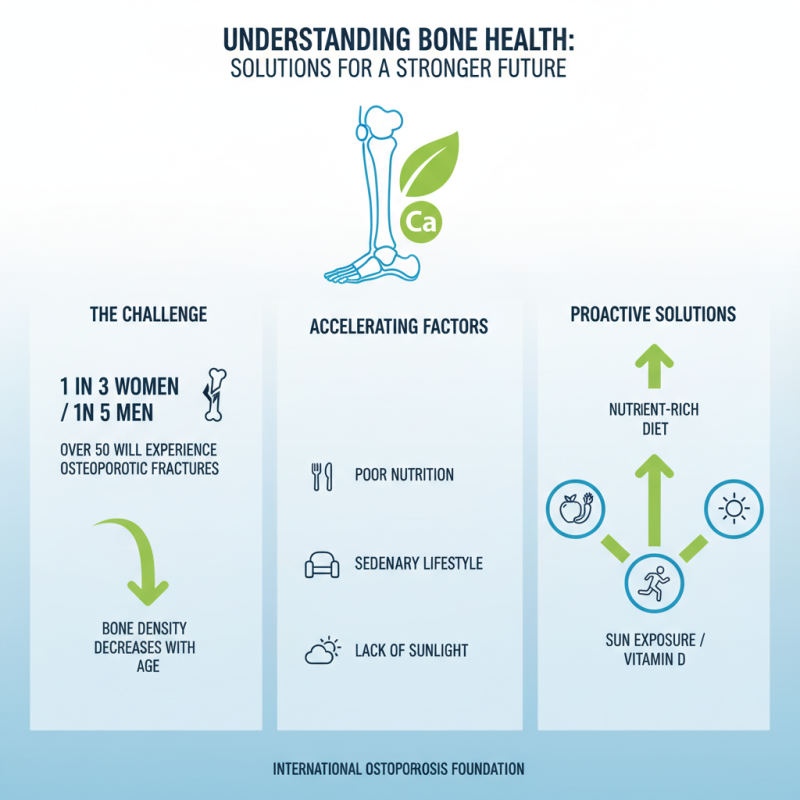
Understanding bone health is crucial for overall well-being. According to the International Osteoporosis Foundation, approximately 1 in 3 women and 1 in 5 men will experience osteoporotic fractures in their lifetime. This alarming statistic highlights the importance of proactive measures in bone care. Bone density naturally decreases with age. Poor nutrition, sedentary lifestyles, and lack of exposure to sunlight can accelerate this process.
Diet plays a pivotal role in maintaining bone health. Nutrients like calcium and vitamin D are essential. The National Institutes of Health recommends at least 1,000 mg of calcium per day for adults. Yet, research shows that many adults fall short of this requirement. Engaging in weight-bearing exercises can also enhance bone strength. Studies indicate that routines like walking or resistance training can increase bone density by up to 1% annually.
However, not all bone health strategies are equal. It is essential to understand individual health needs and limitations. Some may require supplements, while others may benefit from lifestyle changes. Consulting with healthcare professionals enables tailored approaches. Each individual’s circumstances are unique, reflecting the need for personalized bone solutions.
Types of Bone Solutions: Nutritional Supplements and Medications
Bone health is crucial for overall well-being. Many people rely on nutritional supplements and medications to maintain strong bones. Supplements often include calcium, vitamin D, and magnesium. These nutrients support bone density and strength. However, choosing the right supplements can be challenging. Not all supplements work equally for everyone. It’s essential to consult with a healthcare professional.
Medications may also play a role in bone health. Certain drugs can help prevent bone loss. Others may boost bone formation. Yet, medications come with potential side effects. This could make some individuals hesitant. It's important to weigh the benefits against the risks. Regular evaluations and discussions with a doctor are crucial to find the best approach.
Personalized solutions are key. Some individuals may need a combination of supplements or medications. Others may benefit from dietary changes or increased physical activity. Monitoring your progress and symptoms is vital in finding what works best for you. This process requires patience and might not yield immediate results. Understanding your unique needs and circumstances is essential to achieve optimal bone health.
Bone Health Solutions Comparison
This chart compares the effectiveness of different types of bone solutions, including nutritional supplements (Calcium, Vitamin D, Magnesium) and medications (Bisphosphonates, Hormonal Therapies) based on their average user satisfaction ratings.
Evaluating Health Needs: Consulting with Healthcare Professionals
When considering bone health, consult with a healthcare professional to tailor a solution for your specific needs. Each person's bones are unique. Factors such as age, diet, and activity level play a crucial role. Engaging in dialogue with medical experts can clarify what your bones require.
Many people overlook the importance of personalized advice. For instance, an older adult might need more calcium and vitamin D. In contrast, a young athlete may require additional protein for muscle repair. Speak openly about your health history. This transparency helps professionals provide the best recommendations.
It’s essential to ask questions and address concerns. Not everyone responds the same way to treatments. Some may experience side effects. Reflecting on personal experiences can uncover needs that a standard approach might miss. By collaborating with healthcare providers, you can create a comprehensive bone health plan tailored just for you.
Researching Ingredients: Key Components of Effective Bone Solutions
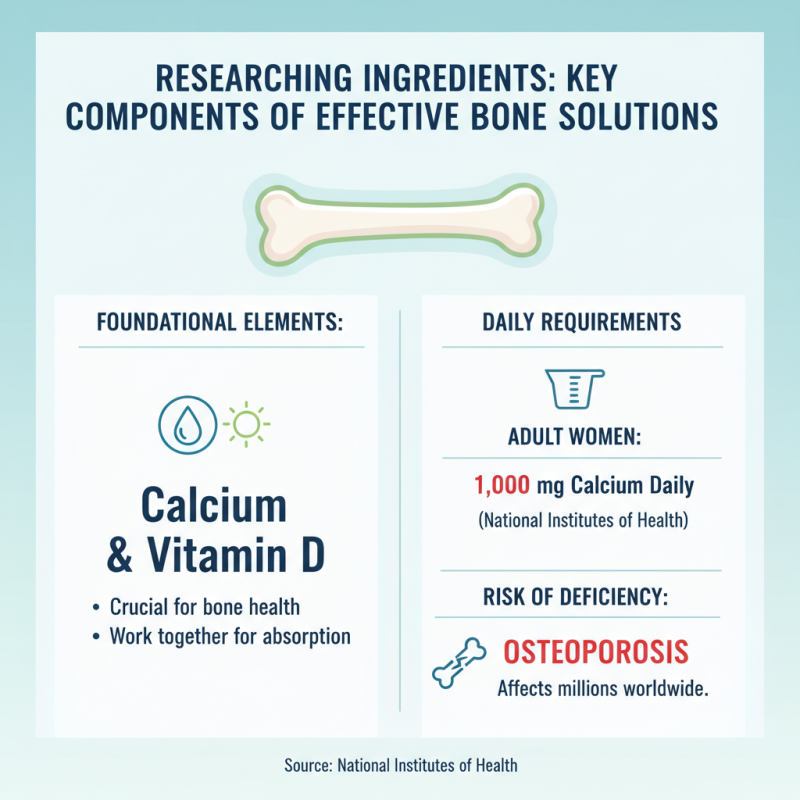
When looking for an effective bone solution, understanding the key ingredients is crucial. Many studies highlight calcium and vitamin D as foundational elements. According to the National Institutes of Health, adult women require at least 1,000 mg of calcium daily. Insufficient intake can lead to osteoporosis, affecting millions worldwide.
Magnesium is another vital component often overlooked. Research indicates that this mineral plays a significant role in bone density. A study published in the Journal of the American College of Nutrition reported that magnesium deficiency correlates with lower bone mass. Additionally, boron is emerging as a critical player in bone health. It helps the body utilize key hormones like estrogen, which are essential for maintaining bone integrity.
However, not all supplements deliver these ingredients effectively. A report from the Office of Dietary Supplements noted variability in the bioavailability of certain nutrients. For example, not all calcium sources are absorbed adequately by the body. Consumers should scrutinize product labels carefully. Understanding ingredient sourcing and formulation can make a significant difference in overall bone health.
Selecting the Right Product: Guidelines for Informed Choices
Choosing the right bone health product involves careful consideration of personal needs and dietary habits. Begin by assessing your current bone health. Are you at risk for osteoporosis? Understanding your bone density can guide product selection. Consult with healthcare professionals who can provide insights based on scientific evidence.
When examining potential products, look at their ingredient lists. Key components often include calcium, magnesium, and vitamin D. These nutrients play crucial roles in maintaining bone integrity. However, more is not always better. Excessive intake may lead to imbalances or health issues.
Researching reputable sources is essential. Look for studies or publications that discuss bone health. Not all products marketed as "bone support" are effective. User reviews can provide valuable insights, but they may also sway opinions unjustly. It’s vital to discern between genuine feedback and marketing rhetoric. Making informed choices requires patience and discernment.
How to Find the Best Bone Solution for Your Health Needs? - Selecting the Right Product: Guidelines for Informed Choices
| Product Type |
Key Ingredients |
Benefits |
Recommended Dosage |
User Rating |
| Calcium Supplement |
Calcium carbonate, Vitamin D |
Supports bone density |
1000 mg daily |
4.5/5 |
| Magnesium Supplement |
Magnesium citrate, Vitamin K |
Promotes bone health |
400 mg daily |
4.2/5 |
| Vitamin D Supplement |
Cholecalciferol |
Enhances calcium absorption |
600 IU daily |
4.7/5 |
| Collagen Supplement |
Hydrolyzed collagen |
Improves bone strength |
10 g daily |
4.6/5 |
| Boron Supplement |
Boron citrate |
Aids in calcium retention |
3 mg daily |
4.3/5 |