What is spinal instruments and how do they work?
Spinal instruments play a crucial role in modern medicine. These tools are designed specifically for spinal surgeries. They include rods, screws, and cages that stabilize the spine. Surgeons use these instruments to correct deformities and relieve pain. Their function relies on a deep understanding of spinal anatomy.
Surgeons must be skilled in using spinal instruments. The precision of these tools directly impacts patient outcomes. For instance, proper alignment during surgery can drastically reduce recovery time. However, mastering these instruments takes years of training and practice. Mistakes can lead to complications, so expertise is vital.
In recent years, advancements in technology have enhanced spinal instruments. Some now feature innovative designs for improved stability. Yet, there remains a need for ongoing research and development in this field. As our understanding of spinal health grows, the effectiveness of these tools can also improve. The synergy between technology and surgical skill is essential for patient care.

What are Spinal Instruments?
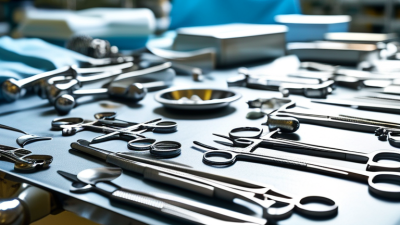
Spinal instruments encompass a variety of tools designed for spinal surgery. Surgeons use these instruments to treat conditions like herniated discs or spinal fractures. Each instrument has a specific function, whether for cutting, drilling, or stabilizing the spine. The key is precision; proper use minimizes patient recovery time.
These instruments often include retractors, screws, and rods. A retractor helps to hold back tissues, giving surgeons a clearer view. Screws anchor the spine, while rods provide stability. Advanced technology in these instruments enhances their effectiveness. Yet, the reliance on tools can sometimes overshadow the surgeon's skills.
Surgeons must carefully choose and apply spinal instruments. Each case is unique, requiring adaptation. Over-reliance on instruments can lead to procedural errors. Therefore, training and experience are crucial. Understanding how each tool works fosters better outcomes. The journey of mastering spinal instrumentation is ongoing; learning never ceases in surgery.
What is spinal instruments and how do they work? - What are Spinal Instruments?
| Instrument Type |
Function |
Common Procedures |
Material |
| Pedicle Screws |
Provide stability to the spine by anchoring rods |
Spinal Fusion, Decompression |
Titanium, Stainless Steel |
| Rod Systems |
Connects multiple screws for structural support |
Scoliosis Correction, Fracture Repairs |
Titanium, Cobalt Chrome |
| Interbody Cages |
Facilitate fusion between vertebrae |
Spinal Fusion |
PEEK, Titanium |
| Hooks and Plates |
Provide additional fixation to the spine |
Anterior Cervical Discectomy |
Stainless Steel, Titanium |
| Surgical Instruments |
Used for implant placement and bone preparation |
Various Spine Procedures |
Stainless Steel |
Types of Spinal Instruments Used in Surgery
Spinal instruments are essential tools used in surgeries to treat various spinal conditions. These instruments help in stabilizing the spine, correcting deformities, and facilitating healing. The most common types include screws, rods, and cages. Each instrument serves a specific purpose, enhancing the surgeon's capability during complex procedures.
Screws are often used to anchor rods to the spine. They provide stability and help align vertebrae correctly. Rods are long, thick metal pieces inserted along the spine. They work with screws to maintain alignment. Cages, on the other hand, are utilized for spinal fusion. They are placed between the vertebrae to promote bone growth. Surgeons often choose specific instruments based on the patient's unique anatomy and condition, highlighting the importance of individualized treatment plans.
Despite their effectiveness, the use of spinal instruments can have risks. Complications may arise, such as infection or misalignment. Surgeons need to be aware of these potential issues. Understanding the intricacies of each instrument and their proper application remains vital for patient safety. Continuous education and practice in this field are necessary for improving outcomes and addressing challenges that may occur during surgery.
Types of Spinal Instruments Used in Surgery
How Spinal Instruments Function in Surgical Procedures
Spinal instruments play a crucial role in surgical procedures involving the spine. These specialized tools are designed to aid surgeons in many intricate tasks. They include rods, screws, and plates that help stabilize the spine during and after surgery. Surgeons select instruments based on the patient's specific needs and the type of procedure being performed.
During surgery, spinal instruments assist in correcting deformities, fusing vertebrae, or providing support after a fracture. For example, rods are often used to hold vertebrae in place, ensuring proper alignment. Screws secure these rods, creating a stable structure. Each instrument has a unique function and is essential for achieving optimal results in spinal surgery.
While spinal instruments are effective, their use requires extensive training and expertise. Surgeons must be knowledgeable about anatomy and the specific dynamics of the spine. Misuse or improper placement can lead to complications. Therefore, reviewing techniques and continuously learning is fundamental in this field. Despite their high-tech designs, the human element—surgeon's skill and judgment—remains vital.
Benefits and Risks of Using Spinal Instruments
Spinal instruments are critical in modern spine surgeries. They provide stability and structure post-surgery. However, the use of these instruments carries both benefits and risks.
One significant benefit is improved patient outcomes. According to a report by the North American Spine Society, over 85% of patients experience reduced pain and improved mobility following spinal fusion with instrumentation. This can drastically enhance a patient's quality of life. However, there are risks involved. Complications such as infection or hardware failure can occur. Studies show that up to 10% of patients experience some form of complication within a year post-surgery.
In terms of reliability, the precision of spinal instruments is vital. Many devices undergo rigorous testing. However, the materials used may not be ideal for every patient. Differences in bone density and healing capacity can lead to unpredictable results. Surgeons must consider these factors carefully when opting for spinal instrumentation. There’s a need for ongoing assessment of long-term outcomes. Both patients and surgeons must weigh these benefits and risks to make informed decisions.
Advancements in Spinal Instrument Technology
The field of spinal instrumentation has seen remarkable advancements in technology. Recent reports indicate a significant increase in the use of minimally invasive techniques. In 2022, approximately 55% of spinal surgeries utilized these methods, compared to only 30% in 2015. This shift suggests a growing preference for approaches that reduce recovery time and minimize complications.
Additionally, 3D printing technology has revolutionized the production of spinal implants. Custom implants can now be created to suit individual patient anatomy. A study indicated that personalized implants lead to a 25% improvement in fusion rates. However, the technology is still evolving, and challenges remain in terms of long-term biomechanical stability and integration within the human body.
Moreover, robotic-assisted surgery is becoming more prevalent. The precision offered by robotic systems enhances the accuracy of instrumentation placement. Hospitals that adopted robotic systems reported a 20% decrease in revision surgeries. Yet, not all data is positive; the high costs associated with these advanced technologies raise questions about accessibility. As the industry progresses, balancing innovation with practical healthcare solutions remains a critical area for reflection and development.