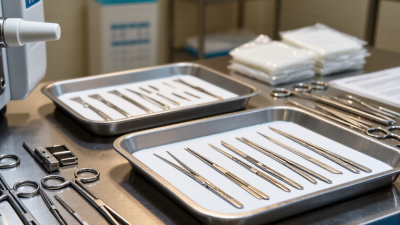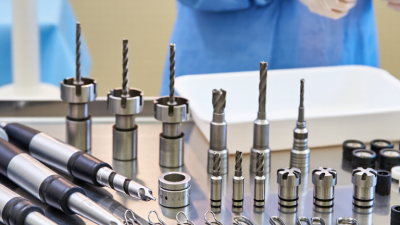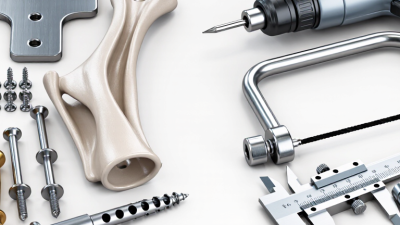
A surgical set is more than a tray of instruments. It is a working combination of tools, packaging, and handling requirements shaped by a procedure and the people using it. For global buyers, choosing well means looking beyond a product name. Instrument composition, material quality, sterilization compatibility, traceability, and local clinical preferences all matter. Small details matter, too: a clamp’s grip, a handle’s balance, or whether an instrument is easy to identify on a crowded tray.
This guide examines ten commonly requested categories: general surgery, orthopedic, laparoscopic, cardiovascular, ophthalmic, ENT, urology, gynecology, neurosurgery, and dental surgical sets. Their contents are not universal. A set suited to one hospital’s workflow may need adjustments elsewhere, so buyers should review item lists with clinical and sterile-processing teams. That step can feel slow. It can also prevent costly mismatches.
Surgeon and writer Atul Gawande wrote, “The volume and complexity of what we know has exceeded our individual ability to deliver its benefits correctly, safely, or reliably.” His observation concerns healthcare more broadly, not surgical sets specifically, but it offers a useful lens: complex work depends on dependable systems. The sections ahead compare set types and practical selection considerations, including documentation, packaging, and supplier communication. No list can replace clinical evaluation. That is an imperfect limit, but an important one. A careful buyer asks what each instrument does, how it will be maintained, and whether the set fits the intended procedure before placing an order.
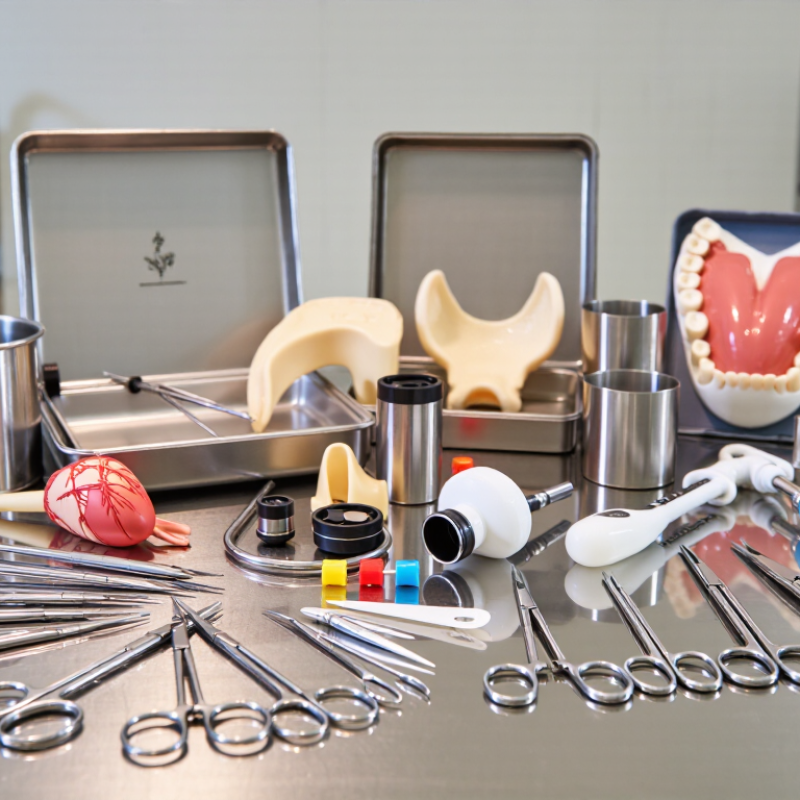
The subtitle’s 312.9 million operations refers to an estimated global surgical volume in 2012, reported by Weiser and colleagues in The Lancet in 2015. It signals the scale of operating-room needs, not a direct count of surgical sets. The estimate drew on available national data and modeling, so coverage and reporting quality varied. That distinction matters. For global buyers, demand may include general, laparotomy, orthopedic, obstetric, gynecologic, urologic, ophthalmic, ENT, cardiovascular, and minor-procedure sets. Local case mix determines which are actually needed.
Tips: Match each set to documented procedures, instrument lists, and sterilization capacity. Check tray weight and layout, too. A crowded tray can slow inspection and reprocessing.
The 2012 figure is a useful historical benchmark, not a current forecast. Procedure volumes, staffing, and facility resources change over time and differ widely between regions. Buyers should compare recent local activity with service plans before setting quantities. Ask clinical and sterile-processing teams to review samples together; a technically complete set may still be awkward to handle. Small details matter: clearly arranged instruments, durable markings, and enough room for inspection can support consistent workflows. Weiser et al.’s estimate offers context, but procurement decisions need current, facility-level evidence.
Global demand reference: 312.9 million operations estimated worldwide in 2012
| # | Surgical Set Type | Typical Applications | Representative Instruments | Procurement Considerations |
|---|---|---|---|---|
| 1 | Basic General Surgery Set | Common open procedures involving incision, dissection, hemostasis, and closure. | Scalpel handles, scissors, forceps, needle holders, retractors, and hemostatic clamps. | Confirm instrument count, handle patterns, finishing quality, and compatibility with local sterilization workflows. |
| 2 | Laparotomy Set | Open abdominal procedures requiring access and exposure of the abdominal cavity. | Long instruments, abdominal retractors, tissue forceps, clamps, and suction instruments. | Check retractor range, instrument length, and whether specialty components are supplied separately. |
| 3 | Appendectomy Set | Open appendectomy and related lower-abdominal procedures. | Basic dissection and clamping instruments, small retractors, scissors, and needle holders. | A focused set can reduce unnecessary tray contents; final configuration should reflect the facility’s preferred technique. |
| 4 | Laparoscopic Cholecystectomy Set | Minimally invasive gallbladder removal and similar laparoscopic abdominal procedures. | Laparoscopic graspers, dissectors, scissors, and a clip applier; access devices may be included according to the configuration. | Verify shaft diameter, working length, reusable-instrument compatibility, and which camera or insufflation components are procured separately. |
| 5 | Orthopedic Fracture Set | Fracture reduction and fixation procedures, with instruments selected for the intended system and anatomy. | Bone-holding forceps, reduction clamps, elevators, drills, and appropriate measuring instruments. | Confirm compatibility with the facility’s fixation components and ensure powered tools and accessories are specified separately where needed. |
| 6 | Major Joint Arthroplasty Set | Joint replacement procedures, such as hip or knee arthroplasty. | Specialty retractors, bone preparation instruments, alignment guides, and trial components as applicable. | Instrument requirements are procedure- and implant-system-specific; confirm the complete inventory and sterilization tray configuration. |
| 7 | Obstetric and Gynecologic Set | Selected gynecologic procedures and obstetric procedures other than cesarean delivery. | Specula, uterine instruments, clamps, scissors, forceps, and retractors, depending on the intended procedure. | Specify the procedures the set must support; instrument shapes and sizes vary by clinical use and local practice. |
| 8 | Cesarean Section Set | Cesarean delivery and associated abdominal and uterine access. | Abdominal retractors, tissue forceps, clamps, scissors, needle holders, and obstetric instruments. | Check the tray against the facility’s operative protocol and ensure instruments are suitable for repeated processing. |
| 9 | Ophthalmic Cataract Set | Cataract surgery and other delicate anterior-segment eye procedures. | Fine forceps, microsurgical scissors, specula, and other small ophthalmic instruments. | Prioritize precision, atraumatic handling, fine-tip inspection, and packaging that protects delicate instruments. |
| 10 | Urology Endoscopic Set | Endoscopic examination and selected transurethral procedures. | Cystoscopic or resectoscopic instruments and compatible accessories, depending on the procedure. | Confirm scope dimensions, accessory compatibility, reprocessing instructions, and whether visualization equipment is supplied separately. |
Note: Instrument contents vary by procedure, surgical technique, facility protocol, and applicable reprocessing requirements. The 2012 global operations figure is reproduced from the supplied title.
Global buyers commonly begin with five core families: general, laparoscopic, cesarean, gynecologic, and urologic sets. Weiser et al. estimated 312.9 million operations worldwide in 2012, in a 2015 Lancet study. This is not a current purchasing forecast, but it illustrates the scale of surgical care.
General sets typically cover routine incision, clamping, suturing, and retraction, with instruments such as forceps, needle holders, and retractors. Laparoscopic sets add long-shaft graspers, scissors, and access instruments; handle feel and reliable insulation deserve close inspection. Cesarean sets may include abdominal retractors, clamps, and uterine instruments. WHO reported that cesarean births represented about 21% of births globally in 2015, with projections reaching 29% by 2030. Details matter.
Gynecologic sets vary by procedure, often combining specula, grasping instruments, and curettes where clinically appropriate. Urologic sets may require specialized endoscopic instruments, so an open-surgery tray should not be treated as a complete solution. Fit is local. Buyers should compare each tray list with clinician preference, sterilization workflows, and replacement availability. A tidy catalogue description can hide missing sizes or incompatible components; checking sample trays with users is worthwhile, even when it slows procurement.
The chart compares five core set types by the number of representative instrument families commonly included. Counts are illustrative, not standardized; exact contents vary by procedure, surgeon preference, and facility requirements.
Orthopedic sets often include bone-holding forceps, retractors, rasps, and instrument options for joint or trauma procedures. A trial component or guide may be needed for one workflow but unnecessary for another. Fit matters. Confirm the intended procedure, tray layout, and compatibility with the facility’s sterilization process before purchasing.
Cardiovascular sets require dependable handling and clear organization, especially when instruments are fine or clamping surfaces must remain consistent. Neurosurgical sets may use slim dissectors, delicate forceps, and small retractors for access in confined spaces. Small details matter. ENT sets vary widely, from nasal specula and suction instruments to laryngeal tools, so the case mix should guide selection.
Ophthalmic instruments are especially delicate; fine tips and smooth joints need careful inspection and protective storage. Buyers should review material specifications, maintenance instructions, and replacement availability with qualified clinical and sterile-processing staff. A catalog description cannot prove that a set suits every surgeon’s technique. That is not always obvious. A carefully selected core set may still need small adjustments after staff review.
ISO 7153-1 and ISO 17664-1:2021 answer different buyer questions. ISO 7153-1 specifies metallic materials used in surgical instruments; it does not certify an entire surgical set. Buyers can compare material declarations, surface finish, and instrument function. A clamp should close evenly. A hinge should move without catching. Small details matter.
ISO 17664-1:2021 addresses the processing information manufacturers provide for critical and semi-critical medical devices. Request clear instructions for disassembly, cleaning, rinsing, drying, inspection, and sterilization. Check whether they match the hospital’s washers, packaging, and sterilization cycle. A narrow joint can retain soil. A vague instruction creates extra work. It is easy to mistake a complete document for a validated local process.
The stakes are measurable, but instruments are only one part of infection prevention. WHO’s 2016 Global Guidelines for the Prevention of Surgical Site Infection report a pooled incidence of 11.8 infections per 100 surgical patients in low- and middle-income countries, compared with 1.2 per 100 in high-income countries. Definitions and surveillance vary, so these figures are not a prediction for any facility. Still, buyers comparing surgical set types can use the two ISO standards as practical checkpoints: documented materials, usable processing instructions, and instruments that withstand repeated handling. Some procurement teams may focus too heavily on the checklist. Real-world reprocessing deserves equal attention.
For surgical sets, packaging is part of product protection, not a finishing detail. ISO 11607-1:2019 specifies requirements for materials, sterile barrier systems, and packaging systems for terminally sterilized medical devices. Buyers can use it to structure supplier reviews. Ask for evidence that the selected pouch, tray, or wrap is suitable for the device and intended sterilization process. A neat sample is helpful, but it cannot replace documented testing.
Tips: Check seal integrity, material compatibility, and packaging validation records. Confirm that the documented configuration matches the set you are buying. Small differences matter.
Procurement teams should also consider transport and storage conditions. A package may face compression, vibration, humidity, and repeated handling before reaching a clinical setting. Request evidence that packaging performance has been evaluated for relevant distribution conditions, and review how damage or seal failures are investigated. ISO 11607-1 does not, by itself, confirm compliance with every destination market’s rules or guarantee sterility. Requirements vary, and the paperwork can be easy to misread. It is worth having qualified quality or regulatory staff review claims, especially when a set’s components or packaging change.
WhatsApp us