Top 10 Orthopedic Surgical Instruments for Global Buyers?
Orthopedic surgical instruments play a vital role in modern medicine. They are essential for performing various procedures that address musculoskeletal issues. The accurate selection of these tools ensures better patient outcomes and optimized surgical performance.
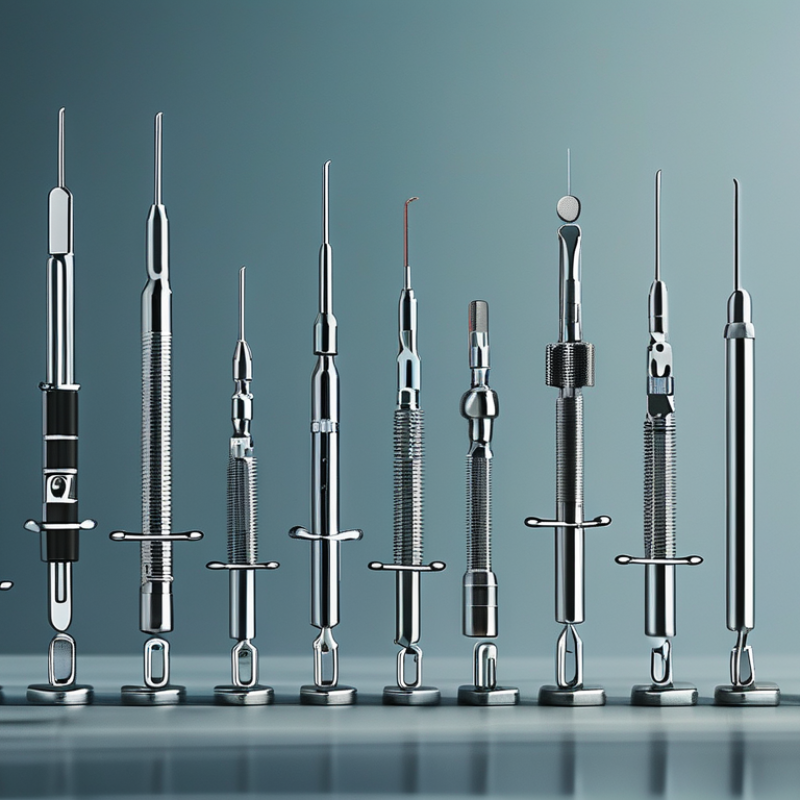
This article highlights the top 10 orthopedic surgical instruments popular among global buyers. Each instrument has specific functions that cater to the diverse needs of orthopedic surgeries. The market is evolving, and staying updated on these tools is crucial for healthcare professionals.
Understanding the quality and reliability of these instruments can be challenging. This list aims to simplify the selection process for healthcare providers. It showcases trusted tools that are widely regarded in the field. Always consider the quality of instruments, as they directly impact surgical success.
Overview of Orthopedic Surgical Instruments and Their Importance
Orthopedic surgical instruments play a crucial role in modern medicine. Surgeons rely on these tools to perform delicate procedures that involve bones, joints, and soft tissues. Each instrument, from scalpels to clamps, serves a specific purpose. Their design must ensure precision and reliability. Studies show that proper instrument use can greatly influence surgical outcomes.
In the operating room, the effectiveness of these instruments often hinges on user expertise. Surgeons must be well-trained and familiar with each tool. This expertise reduces the risks of surgical errors, which can happen if instruments are misused. Additionally, the selection of instruments must be appropriate for the specific procedure. Sometimes, there are discrepancies in what is available versus what is ideal. This gap can be challenging for medical professionals.
Moreover, the maintenance and sterilization of orthopedic tools are paramount. Neglecting this can lead to infections, making recovery more difficult for patients. It’s important for healthcare facilities to have strict protocols in place. However, adherence to these protocols can be inconsistent. Continuous training and quality checks are necessary to improve these practices. Understanding the critical nature of each instrument helps to foster a safer surgical environment.
Top 10 Orthopedic Surgical Instruments for Global Buyers
| Instrument Name |
Function |
Material |
Usage |
Importance |
| Scalpel |
Incision during surgery |
Stainless Steel |
General orthopedic procedures |
Essential for precision cutting |
| Forceps |
Grasping tissues |
Titanium |
Soft tissue handling |
Critical for control of tissues |
| Chisel |
Cutting bone |
Carbon Steel |
Orthopedic surgery |
Used for bone shaping |
| Drill |
Creating holes in bone |
Stainless Steel |
Implant surgeries |
Vital for implant fixation |
| Bone Saw |
Bone sectioning |
Surgical Steel |
Fracture repair |
Critical for precise bone cutting |
| Retractor |
Holding back skin and tissues |
Stainless Steel |
Various surgical procedures |
Enhances visibility in the surgical field |
| Suction Device |
Removing fluids |
Plastic/Metal |
Clean surgery area |
Important for visibility and reducing infection risk |
| Clamp |
Compressing blood vessels |
Stainless Steel |
Vascular control |
Essential for preventing excessive bleeding |
| Tissue Scissors |
Cutting soft tissues |
Stainless Steel |
General procedures |
Precision in soft tissue cutting |
| Screwdrivers |
Driving screws for fixation |
Alloy Steel |
Implant and orthopedic fixation |
Essential for securing implants |
Essential Features to Look for in Orthopedic Surgical Instruments
When selecting orthopedic surgical instruments, understanding essential features is crucial for global buyers. Quality and reliability stand at the forefront. Materials should be durable, resistant to corrosion, and easy to clean. Stainless steel is a common choice, ensuring longevity and safety. Comfort also plays a role; ergonomic designs reduce fatigue during lengthy procedures.
Precision is another key feature. Instruments must provide accurate control during surgery. The sharpness of cutting tools matters significantly. Dull instruments can lead to complications and longer recovery times. Additionally, consider the weight of the instruments. Lightweight options may enhance maneuverability, but they must also feel robust in hand. Each feature contributes to overall effectiveness in the operating room.
However, there is no one-size-fits-all solution. Different procedures require different instruments, leading to potential mismatches. Buyers should reflect on what suits their specific needs. Feedback from surgeons is essential. It highlights preference patterns and potential issues with certain designs. Listening to real experiences can guide informed purchasing decisions.
Top 10 Must-Have Orthopedic Surgical Instruments for Global Markets
In the field of orthopedic surgery, having the right instruments is essential for successful outcomes. Surgeons rely heavily on specific tools designed for precision and efficiency. Among the top must-have instruments, bone saws and orthopedic drills stand out. These tools cater to various procedures, from joint replacements to fracture fixations. Their design allows for meticulous adjustments during surgeries, ensuring each cut is accurate.
Another vital category includes retractors and forceps, which aid in maintaining visibility and control during operations. Their ergonomic design enhances dexterity, making it easier for surgeons to navigate complex anatomical structures. However, as with any tool, there’s a learning curve. Surgeons must familiarize themselves with the handling and maintenance of these instruments to achieve the best results.
Additionally, implants like screws and plates are crucial for securing bone fragments. The variety available caters to different patient demographics, ensuring adaptability in surgical practices. It’s important for medical professionals to stay informed about evolving technologies in surgical instruments. Continuous education and skill improvement are essential aspects of ensuring effective orthopedic care.
Comparative Analysis of Instrument Quality and Pricing
When considering orthopedic surgical instruments, quality and pricing play a crucial role for global buyers.
These instruments often vary significantly in material, design, and function.
Stainless steel is a common choice due to its durability, but innovative materials are emerging.
Pricing can reflect these material choices, impacting overall quality. However, the highest price doesn’t always guarantee the best quality.
Tips: Always request samples before purchasing. This provides a firsthand evaluation of instrument performance.
Additionally, consider the warranty and support offered by suppliers.
Instruments should feel comfortable to use, as ergonomic designs can influence effectiveness during surgery.
Identifying the right balance between price and quality is essential.
Some instruments may be cost-effective but lack durability, resulting in frequent replacements.
This can inflate long-term costs. A thorough market analysis can help buyers determine which instruments provide the best value while maintaining performance standards.
Prioritizing quality over mere affordability can lead to better outcomes in surgical procedures.
Future Trends in Orthopedic Surgical Instrumentation and Technology
The future of orthopedic surgical instrumentation is rapidly evolving. New technologies are influencing design and function. Robotics, for instance, enables precision that improves surgical outcomes. Surgeons can now rely on enhanced imaging techniques for better accuracy during operations. Additionally, smart instruments with sensors provide real-time feedback, helping to minimize errors.
Tips for adapting to these changes: prioritize training on new technologies. Regular workshops will facilitate learning. Embrace collaboration with tech experts to stay updated.
While advancements are remarkable, there are concerns. Cost increases may limit accessibility for some hospitals. Furthermore, not all practitioners may adapt quickly. Ongoing evaluation of the effectiveness of these new tools is crucial. Consider that some traditional methods still hold value. Balancing innovation with experience is key to successful surgeries.
Amid these trends, ensuring patient safety remains paramount. Continuous monitoring of surgical outcomes will be essential. Emphasizing data analysis will help refine techniques over time. The orthopedic field must strive for both advancement and safety as it navigates this transformative landscape.