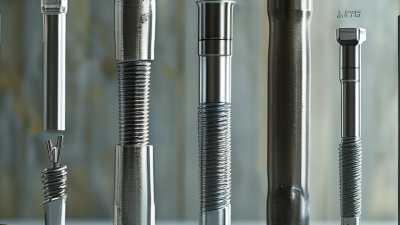
10 Best Stainless Steel Orthopedic Implant Suppliers

Choosing a supplier for stainless steel orthopedic implants takes more than comparing catalog photos and quoted prices. These devices may include screws, plates, pins, and other components used in demanding clinical settings. Material grade, dimensional consistency, surface finish, and manufacturing controls can all affect product suitability. Small details matter.

This guide highlights ten suppliers and the factors procurement teams can examine when comparing them. Look for clear product specifications, traceable manufacturing information, documented quality controls, and responsive technical support. Verify any certifications and regulatory claims against current records rather than relying on promotional language. Ask how the supplier manages inspection, packaging, and compatibility with the intended sterilization process. Requirements can differ by product and destination market.

Experience is useful, but it does not replace evidence. Request current documentation and confirm that the offered material and design match the intended application. A polished website is not proof of consistent production. That point is easy to miss.

Supplier rankings also have limits: availability, service, and product range may change, and one company may not suit every buyer. Use this overview as a starting point for careful evaluation, not as a substitute for clinical judgment or a formal quality review. Compare specific products, ask direct questions, and document what each supplier can substantiate.
10 Best Stainless Steel Orthopedic Implant Suppliers

Stainless Steel Orthopedic Implants: Scope, Uses, and Product Types

Stainless steel orthopedic implants are medical devices used to stabilize or support bones during healing. Implant-grade stainless steel, often a low-carbon alloy such as 316L, offers strength, formability, and useful corrosion resistance. Performance still depends on careful alloy control, manufacturing, and surface finishing. The label alone does not guarantee quality.

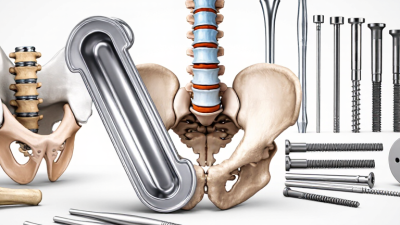
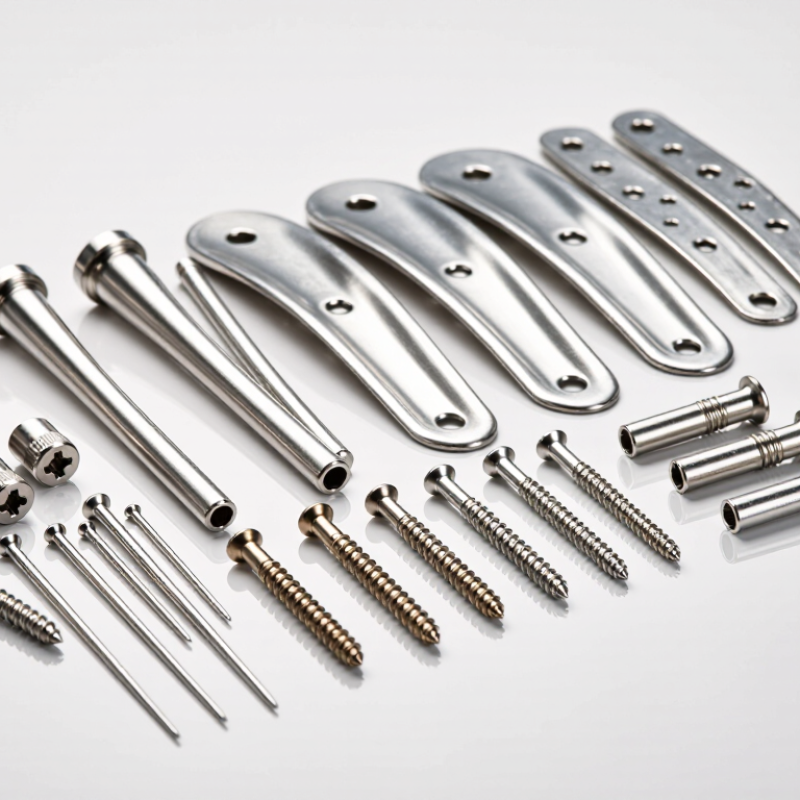
Common product types include plates and screws, intramedullary nails, pins, wires, and components for external fixation. A surgeon may use a plate to bridge a fracture, or a nail inside a long bone to help maintain alignment under load. These devices are selected for specific anatomy and treatment goals; they are not interchangeable. Small details matter. Screw length, plate contour, and bone quality can all affect fit and stability.

Stainless steel is valued for its mechanical performance and broad clinical history, but it has trade-offs. Some patients may have metal sensitivities, and corrosion can occur under particular conditions. Implant selection also considers the expected healing period, activity, and whether later removal may be appropriate. Real practice is messier. Product descriptions rarely capture every clinical constraint, so decisions belong with qualified orthopedic professionals who can assess the patient and the available evidence.

Implant-Grade 316LVM: ASTM F138 and ISO 5832-1 Requirements

For orthopedic implants, 316LVM is more than a stainless steel label. ASTM F138 and ISO 5832-1 define requirements for wrought implant-grade stainless steel, including chemical composition and mechanical properties. A supplier should identify the applicable standard and edition, then provide heat- or lot-specific documentation. Ask for mill certificates that connect the material delivered to the tested production lot.

Details matter. Verify carbon, chromium, nickel, and molybdenum results against the specified limits. Review tensile and other required mechanical test results, along with product form and dimensions. Vacuum melting is associated with 316LVM, but the term alone does not prove compliance. The records should show the material’s processing and testing history. Keep the traceability chain intact.

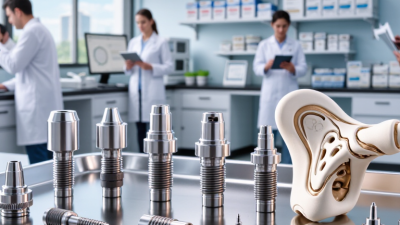
On a production floor, that chain may begin with a bar tag and continue through machining records to the finished component. Check whether the supplier can explain any changes in heat treatment, finishing, or inspection. Paperwork can look perfect. It is not the whole story. Surface condition and cleanliness also deserve attention, especially when stock arrives with handling marks or residue. A careful supplier answers specific questions without treating a certificate as a substitute for verification. Standards are revised, so confirm the current requirements before placing an order.

Supplier Qualification: ISO 13485, ISO 10993, and Material Traceability

Qualifying a stainless steel orthopedic implant supplier takes more than checking a certificate. ISO 13485 indicates a quality management system for medical devices, but buyers should confirm its scope, covered site, and current status. Ask how the supplier controls incoming bar stock, machining changes, nonconforming parts, and complaint records. A polished audit report means little if the process on the shop floor differs.

ISO 10993 deserves careful interpretation. It is a series of standards used in biological evaluation, not a universal stamp proving every implant material is safe. Request relevant test data and assess whether it applies to the specific alloy, surface finish, processing residues, and intended patient contact. Details matter. A passivated component and a freshly machined surface may need different evidence.

Material traceability should connect each finished component to its source material and production history. Look for heat or lot numbers on mill certificates, inspection records, and work orders. Then test the trail with a sample part: can staff retrieve its records without guesswork? Paperwork is not proof. Gaps can appear between subcontracted processing steps, and suppliers may need time to close them. That uncertainty is worth discussing before qualification, not after a delivery arrives.

Ten Leading Stainless Steel Orthopedic Implant Suppliers by Capability

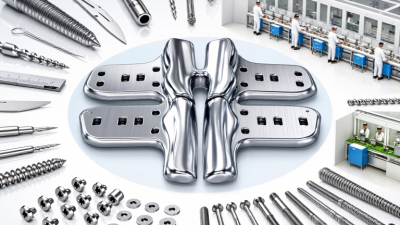
A capability-based review of ten leading stainless steel orthopedic implant suppliers should look beyond catalog size. Compare their control of material grades, incoming inspection, heat-lot traceability, and surface finishing. Small details matter. Burrs around a plate hole or rough screw threads can complicate handling and downstream processing. Ask how suppliers maintain dimensional consistency across repeat production runs, not only prototype batches.

The strongest capabilities often combine precision machining, forming, and dependable quality documentation. A supplier should explain its inspection methods, equipment limits, and how it manages process changes. Look for clear records covering material identity, measurements, and nonconformance handling. For complex components, engineering support can help assess tolerances and manufacturability before production begins. A polished sample alone proves little. Not on its own. Production consistency needs evidence from routine inspection and repeat orders.

Capacity and communication also separate suppliers with similar equipment. Review realistic lead times, order-size flexibility, and the clarity of technical responses. Some suppliers may excel at intricate, low-volume parts, while others are better equipped for steady production. The right fit depends on the implant design and project needs. It is easy to overrate a quick quotation; unanswered questions about inspection or traceability deserve attention. Capability rankings can shift when the component, volume, or required documentation changes.

Comparing Suppliers: Certifications, Product Range, Capacity, and Lead Times

10 Best Stainless Steel Orthopedic Implant Suppliers

Comparing suppliers means looking beyond a polished catalogue. Check whether quality certificates, such as ISO 13485, are current and cover the relevant manufacturing site and processes. Ask for traceability records linking material batches to finished components. A certificate is useful, but it does not prove every product meets your specifications. Review the supplier’s range of implant types, stainless steel grades, sizes, and surface finishes. Request technical documents for the exact items under consideration.

Tips: Ask for a sample certificate and a recent inspection record. Confirm what each document covers. Small details matter.

Capacity and lead time need equal scrutiny. Ask how many units the supplier can produce monthly, and whether that figure includes inspection and packaging. A quoted lead time may change when tooling, raw material, or approval steps are delayed. Request separate estimates for samples and repeat orders. Check how the supplier handles urgent changes, production disruptions, and nonconforming parts. Written answers are easier to compare than verbal assurances. It is tempting to rank suppliers by speed alone, but a fast estimate is not a dependable delivery plan. Look for clear assumptions, realistic schedules, and regular progress updates.

10 Best Stainless Steel Orthopedic Implant Suppliers - Comparing Suppliers: Certifications, Product Range, Capacity, and Lead Times

Important: This anonymized comparison uses product-specialist profiles rather than naming or ranking companies. Supplier-specific certifications, production capacity, and lead times cannot be confirmed without current documentation and a direct quotation. Verify all details for the exact product, manufacturing site, and destination market.

No. Anonymized Supplier Profile Typical Stainless Steel Product Range Certification and Regulatory Checks Capacity Information Lead-Time Information
1 Trauma fixation specialist Bone plates, screws, and selected fixation components; confirm the specified stainless steel grade and applicable product standards. Request a current ISO 13485 certificate covering the manufacturing site and relevant scope. Confirm market-specific authorization and product documentation. Not comparable without site-level output, product mix, and utilization data; request documented monthly capacity. Quote-specific; confirm separately for standard items, custom items, and initial orders.
2 Intramedullary fixation specialist Intramedullary nails and associated locking screws or instruments, where offered in the specified material. Verify the quality-system certificate, device classification, technical documentation, and approvals required in the target market. Request capacity by model, size range, and finished-device configuration; public figures are not standardized. Quote-specific; request separate estimates for production, inspection, and release.
3 Spinal fixation specialist Selected spinal rods, screws, hooks, and connectors; material availability varies by system and configuration. Check ISO 13485 scope and current market authorization for the specific system. Request material traceability and validation records. Request validated output by system and component; capacity depends on configuration and inspection requirements. Quote-specific; confirm availability of each system component and any special configuration.
4 Small-bone fixation specialist Small-fragment plates, screws, and related fixation devices for selected anatomical applications. Verify the certificate scope, device-specific evidence, labeling, and applicable regulatory pathway in the destination market. Request output by size, design, and SKU; small-component variety can affect scheduling. Quote-specific; confirm whether requested sizes are stocked or made to order.
5 External fixation specialist Selected pins, wires, clamps, and fixation components; confirm which components are stainless steel. Request current quality-system and product-market documentation, plus material and sterilization information where applicable. Request capacity for each component family and any assembly or kit configuration. Quote-specific; clarify whether lead time includes assembly, packaging, and sterilization.
6 Wire and pin fixation specialist Orthopedic wires and pins in specified dimensions and finishes; confirm intended use and material grade. Verify site-specific quality-system certification, product conformity documentation, and traceability controls. Request capacity by diameter, length, finish, and packaging format. Quote-specific; stock status and finishing requirements can affect delivery.
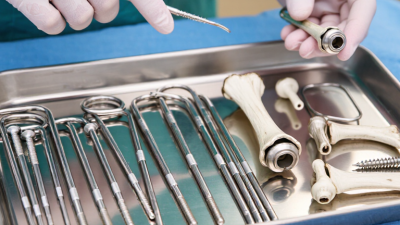
7 Orthopedic instrument and implant-set supplier Selected stainless steel instruments, trays, and compatible implant sets; confirm which items are implants versus reusable instruments. Check applicable device documentation for each item. Reusable instruments may have different regulatory and reprocessing requirements than implants. Request capacity by set configuration and component count, including replacement-part availability. Quote-specific; set assembly and validation can affect the quoted schedule.
8 Custom-machined orthopedic component supplier Made-to-specification orthopedic components, subject to design, material, and regulatory review. Confirm the supplier's role in the regulatory supply chain, quality agreement, design controls, and required device documentation. Request validated process capacity, minimum order quantities, and production limits for the approved design. Project-specific; tooling, qualification, and design approval may add time before routine production.
9 Sterile-packaged implant supplier Selected sterile orthopedic implants and packaged components; confirm the sterilization method and product compatibility. Request evidence for the applicable sterilization process, packaging validation, shelf life, and product-market authorization. Request capacity for both device manufacture and validated packaging or sterilization operations. Quote-specific; sterilization cycles, testing, and release can affect dispatch timing.
10 Broad orthopedic portfolio supplier Multiple orthopedic product families; confirm that the requested stainless steel implant is included in the approved portfolio. Verify certificates and regulatory documentation for the exact legal manufacturer, site, device family, and sales market. Request site-level capacity and allocation for the specific product; portfolio breadth alone does not establish available capacity. Quote-specific; confirm stock, forecast allocation, and replenishment timing in writing.

Regulatory note: ISO 13485 is a medical-device quality-management-system standard; a certificate should be checked for validity, scope, and site. In the United States, FDA establishment registration and device listing are not FDA approval or certification. In the European Union, CE-marking and notified-body requirements depend on the device classification and applicable rules. Always verify current requirements with the relevant regulator or qualified regulatory professional.